 Funky Millions
Best Grooming Tips for Men Over 40: A Complete Guide to Looking Sharp
Discover the best grooming tips for men over 40. Learn skincare, haircare, beard, and body routines to look refreshed, confident, and age-appropriate every day.

Quick summary
Key Takeaways
- Grooming after 40 means adjusting your routine to slower cell turnover, drier skin, thinning hair, and changing facial hair patterns.
- Grooming after 40 protects your skin barrier, slows visible aging, and keeps your hair and facial hair looking intentional.
- A simple morning-and-evening routine focused on cleansing, sun protection, hydration, and retinol covers the grooming basics for men over 40.
- Weekly exfoliation, deep conditioning, and tool cleaning prevent common grooming problems before they become noticeable.
- Avoid harsh products, skipping sunscreen, and ignoring often-forgotten areas like your neck, hands, and brows.
- Use sulfate-free products, condition regularly, get frequent trims, and address thinning hair early with proven treatments.
- Build your skincare routine around hydration, sun protection, gentle exfoliation, and proven active ingredients.
- A well-conditioned, neatly trimmed beard with a defined neckline adds structure and style to your face.
- Body grooming includes smart showering, moisturizing, hair trimming, foot care, and consistent oral hygiene.
- Choose products with proven ingredients for hydration, sun protection, and cell turnover rather than chasing trendy packaging.
- Grooming is one part of a larger self-care system that includes sleep, stress management, exercise, and regular dermatologist visits.
Turning 40 is a milestone, and your grooming routine should evolve with you. The best grooming tips for men over 40 focus on adapting to hormonal shifts, slower skin cell turnover, thinning hair, and changing facial hair patterns. With the right habits, you can look refreshed, feel confident, and project the energy you want.
This guide covers a full men’s grooming routine designed specifically for guys in their 40s and beyond. You’ll learn what changes in your skin and hair after 40, which products actually work, how to build a simple daily routine, and the mistakes most men make. Whether you’re starting from scratch or upgrading your current regimen, these practical tips are easy to follow and grounded in dermatologist-backed advice.
What Does Grooming for Men Over 40 Actually Mean?
Grooming for men over 40 is the practice of maintaining your skin, hair, beard, nails, and overall hygiene in ways that address age-related changes. After 40, testosterone levels gradually decline, collagen production slows, and skin becomes thinner and drier. Hair may thin on the scalp, grow coarser in the ears and nose, or turn gray. These changes are normal, but a targeted grooming routine helps you manage them confidently.
Unlike a basic wash-and-go routine from your 20s, grooming in your 40s is about prevention, hydration, and consistency. It combines skincare, haircare, facial hair maintenance, oral care, and body hygiene into one manageable system. The goal is not to look younger, but to look healthy, polished, and like the best version of yourself.
Why Grooming Matters More After 40
Your skin and hair change significantly in your 40s. Here is what happens and why grooming becomes more important:
- Collagen declines: After age 30, your body loses about 1% of collagen per year. By 40, this leads to fine lines, sagging, and less elasticity.
- Skin gets drier: Oil production decreases, making skin feel tight, flaky, and more prone to irritation.
- Sun damage appears: Dark spots, uneven tone, and rough texture often show up from cumulative UV exposure.
- Hair thins: Hair follicles shrink due to hormones and genetics, leading to thinner strands and a receding hairline.
- Beard hair changes: Facial hair may become coarser, patchier, or more gray.
- Recovery slows: Skin repairs itself more slowly, so razor burn, nicks, and blemishes take longer to heal.
A consistent grooming routine slows these visible effects, improves skin barrier function, and helps you maintain a neat, professional appearance. More importantly, it supports your self-confidence and signals that you take care of yourself.
Daily Grooming Routine for Men Over 40
This routine is divided into morning and evening steps. Each step is chosen to address the specific needs of aging skin and hair without overwhelming your schedule.
Morning Routine
1. Cleanse Gently
Wash your face with a mild, sulfate-free cleanser. Avoid bar soap, which can strip natural oils and worsen dryness. Look for ingredients like glycerin, ceramides, or hyaluronic acid.
Why it matters: Cleansing removes sweat, oil, and overnight buildup while preserving your skin barrier. Harsh cleansers make dryness and wrinkles more noticeable.
2. Apply Antioxidant Serum
A vitamin C serum helps brighten skin, fade dark spots, and protect against free radical damage from pollution and UV exposure. Use 3–5 drops on clean, dry skin.
Why it matters: Vitamin C supports collagen synthesis and helps reduce the appearance of sun damage, one of the most common concerns for men over 40.
3. Moisturize With SPF
Use a moisturizer with broad-spectrum SPF 30 or higher. This is the single most important step for preventing premature aging and reducing skin cancer risk.
Why it matters: According to the American Academy of Dermatology, daily sunscreen use can significantly reduce signs of photoaging and lower the risk of skin cancer. You can read more on the AAD’s sun protection page.
4. Groom Facial Hair
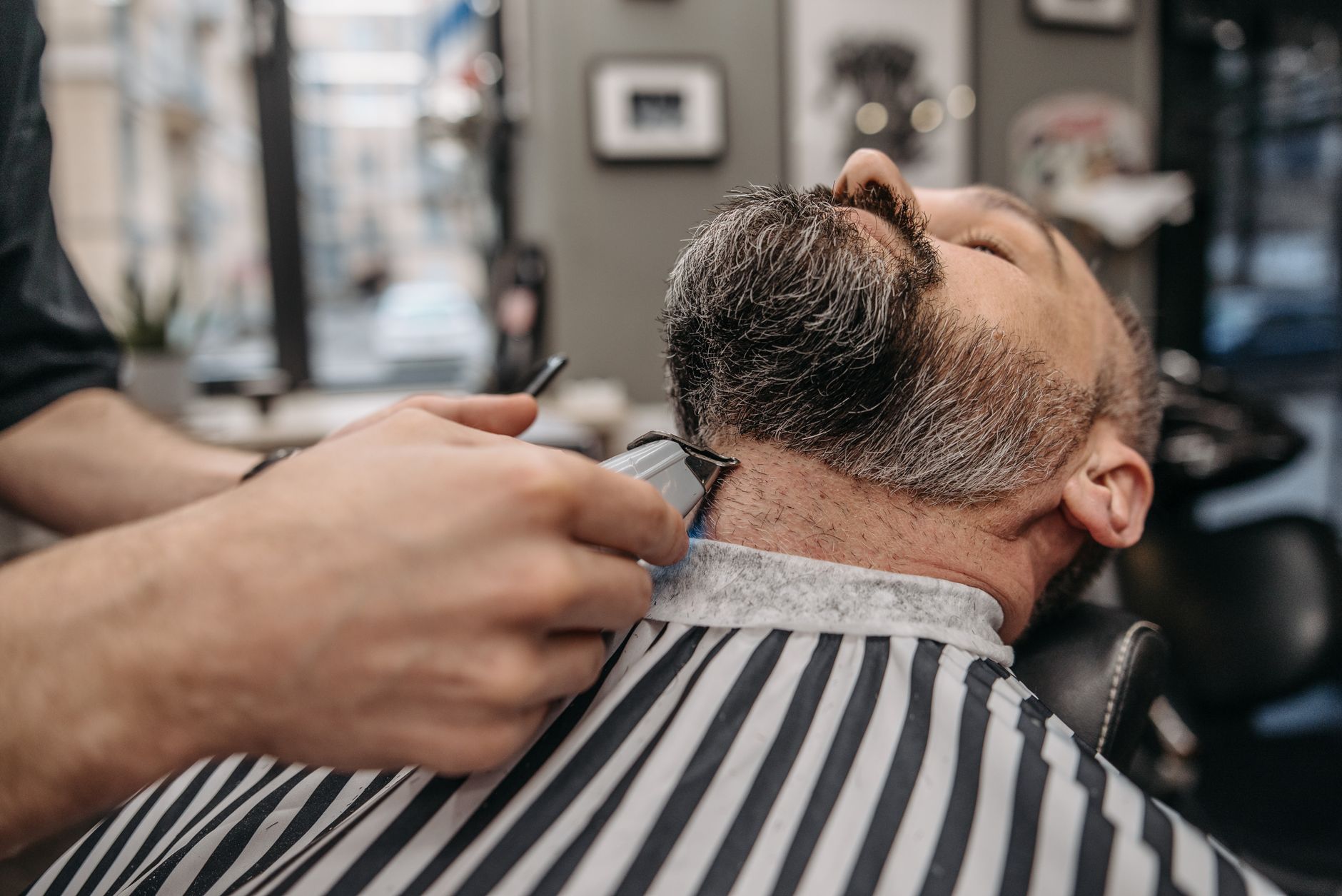
Trim or shape your beard, mustache, or stubble. Use a quality trimmer with adjustable guards and clean up the neckline and cheek lines for a defined look.
Why it matters: A well-maintained beard frames your face and draws attention away from signs of aging like jowls or sagging skin.
5. Style Your Hair
Use a lightweight styling product that adds volume without weighing hair down. Avoid heavy pomades if your hair is thinning. A matte clay or paste works well for most hair types.
Why it matters: Thinning hair benefits from texture and lift. Heavy products can make hair look greasy and emphasize a receding hairline.
Evening Routine
1. Double Cleanse If Needed
If you wear sunscreen or styling products, cleanse twice. First with a gentle oil or micellar cleanser, then with your regular face wash. This prevents clogged pores and breakouts.
2. Use a Retinoid or Retinol
Apply a pea-sized amount of retinol or prescription retinoid to clean, dry skin. Start with 2–3 nights per week and build up tolerance.
Why it matters: Retinoids increase cell turnover, reduce fine lines, improve texture, and help fade age spots. They are one of the most studied anti-aging ingredients available.
3. Moisturize Deeply
Use a richer night cream or facial moisturizer with peptides, niacinamide, or ceramides. These ingredients support repair and strengthen the skin barrier while you sleep.
4. Apply Eye Cream
The skin around your eyes is thinner and shows aging first. A caffeine or peptide eye cream can reduce puffiness and the appearance of dark circles over time.
Weekly Grooming Habits to Add
Beyond daily care, a few weekly habits keep you looking sharp.
Exfoliate Once or Twice a Week
Use a chemical exfoliant with alpha-hydroxy acids (AHAs) like glycolic or lactic acid. This removes dead skin cells, smooths texture, and helps other products absorb better.
Avoid: Harsh physical scrubs with large granules. They can cause micro-tears and irritation, especially on thinning skin.
Deep Condition Your Hair
A weekly deep conditioning treatment or hair mask restores moisture and reduces breakage. This is especially helpful if your hair is graying, since gray hair is often coarser and drier.
Trim Nose, Ear, and Eyebrow Hair
Unruly hair in these areas becomes more common after 40. Use a dedicated trimmer and check weekly in good lighting. Keep eyebrows neat by trimming long hairs and removing unibrow strays.
Clean Your Grooming Tools
Wash brushes, combs, razors, and trimmers regularly. Bacteria buildup can cause breakouts, irritation, and infections.
Grooming Mistakes Men Over 40 Should Avoid
Even with good intentions, some habits work against you. Here are the most common mistakes and how to fix them.
| Mistake | Why It Hurts | Better Approach |
|---|---|---|
| Using body soap on your face | Strips natural oils, causes dryness | Use a facial cleanser with hydrating ingredients |
| Skipping sunscreen | Accelerates wrinkles, spots, and skin cancer risk | Apply SPF 30+ every morning |
| Over-washing hair | Strips scalp oils, increases dryness and breakage | Wash 2–3 times per week |
| Ignoring neck and hands | These areas show age quickly | Extend skincare and SPF to neck, chest, and hands |
| Using the same haircut for decades | An outdated style can age you | Update your cut with a barber who understands your hair type |
| Neglecting eyebrows | Bushy or unibrow brows look unkempt | Trim and shape monthly |
| Shaving without prep | Causes razor burn and ingrown hairs | Use warm water, shave cream, and a sharp blade |
Hair Care Tips for Men Over 40
Hair changes after 40, but the right approach keeps it looking full and healthy.
Choose the Right Shampoo
Use a sulfate-free shampoo formulated for your scalp. If you have dandruff, use a ketoconazole or zinc pyrithione shampoo twice a week. For thinning hair, look for formulas with biotin, caffeine, or saw palmetto.
Condition Every Wash
Conditioner hydrates the hair shaft, reduces frizz, and makes gray hair softer and more manageable. Apply mainly to the mid-lengths and ends, not the scalp.
Consider a Hair Loss Treatment
If thinning is noticeable, talk to a dermatologist about minoxidil or finasteride. These are FDA-approved options that can slow or partially reverse hair loss in many men.
Get Regular Haircuts
Visit your barber every 3–4 weeks. Shorter, textured cuts often make thinning hair look thicker. Avoid comb-overs, which usually draw more attention to hair loss.
Handle Gray Hair With Confidence
You can embrace gray hair or cover it with a demi-permanent dye that looks natural. Avoid harsh black dyes that create a harsh contrast with aging skin.
For more hair care guidance, see our post on how to repair damaged hair.
Skincare Tips for Men Over 40
Healthy skin is the foundation of good grooming. These tips help you build a routine that works.
Know Your Skin Type
Most men over 40 have combination, dry, or sensitive skin. Choose products based on your current skin type, not what you had in your 20s. Skin often becomes drier with age.
Layer Products Correctly
Apply products from thinnest to thickest: cleanser, toner or serum, moisturizer, then sunscreen. At night, use cleanser, treatment, then moisturizer.
Treat Age Spots and Uneven Tone
Ingredients like vitamin C, niacinamide, azelaic acid, and retinol can fade dark spots over time. Consistency matters more than concentration.
Hydrate From the Inside
Drink enough water and eat foods rich in omega-3 fatty acids, antioxidants, and vitamin C. These support skin elasticity and barrier function.
Don’t Forget Your Lips
Lips lose moisture faster than other skin. Use a lip balm with SPF during the day and a hydrating balm at night. If dryness is a concern, read our guide on how to get rid of dry lips.
For a complete face care approach, check out beauty tips for face at home.
Beard and Facial Hair Grooming After 40
Facial hair can be a strong feature, but it needs maintenance to look intentional.
Match Your Beard to Your Face Shape
- Round face: Keep sides shorter and add length at the chin.
- Oval face: Most styles work; aim for balanced proportions.
- Square face: A rounded or shorter beard softens strong jawlines.
- Long face: Avoid extreme length; keep fullness on the sides.
Keep It Conditioned
Beard hair is coarser than scalp hair. Use beard oil or balm daily to soften hair, reduce itch, and hydrate the skin underneath. Look for jojoba oil, argan oil, or shea butter.
Define the Neckline
A common mistake is letting the beard grow too far down the neck. A clean neckline about one to two finger-widths above the Adam’s apple creates a sharper look.
Manage Gray Facial Hair
Gray beard hair can be wiry. Use a beard dye made for facial hair if you want to reduce gray, or embrace it with regular conditioning and trimming.
Body Grooming and Hygiene
Looking polished goes beyond your face and hair.
Shower Smart
Use lukewarm water and a gentle body wash. Hot water strips oils and worsens dry skin. Limit showers to 5–10 minutes.
Moisturize Your Body
Apply body lotion or cream after showering while skin is still damp. Pay attention to elbows, knees, and heels, which tend to get rough.
Manage Body Hair
Trim chest, back, and underarm hair if it becomes unruly. Use a body groomer with guards and trim in the direction of hair growth to avoid irritation.
Foot Care
Dry, cracked heels become more common with age. Use a foot cream with urea and exfoliate weekly with a pumice stone.
Oral Care
Brush twice daily, floss, and use a tongue scraper. A bright, healthy smile is one of the most attractive grooming features at any age.
Product Recommendations for Men Over 40
You do not need dozens of products. Focus on a few effective ones.
| Category | Key Ingredients to Look For | Product Type |
|---|---|---|
| Cleanser | Glycerin, ceramides, hyaluronic acid | Gentle face wash |
| Moisturizer | Niacinamide, peptides, ceramides | Day and night cream |
| Sunscreen | Zinc oxide, avobenzone | SPF 30+ moisturizer |
| Anti-aging | Retinol, vitamin C, peptides | Serum or treatment |
| Shampoo | Sulfate-free, caffeine, ketoconazole | Scalp-focused shampoo |
| Conditioner | Argan oil, keratin, shea butter | Hydrating conditioner |
| Beard care | Jojoba oil, argan oil, shea butter | Beard oil or balm |
| Body care | Urea, lactic acid, glycerin | Body lotion or foot cream |
These final tips pull everything together.
- Consistency beats intensity. A simple routine done daily works better than an elaborate routine done once a week.
- Get enough sleep. Skin repairs itself during sleep. Aim for 7–8 hours per night.
- Manage stress. Chronic stress raises cortisol, which can accelerate aging and trigger skin issues.
- Exercise regularly. Movement improves circulation, which supports healthy skin and hair.
- See a dermatologist annually. A professional skin check can catch early signs of skin cancer and address concerns like hair loss or rosacea.
- Dress to complement your grooming. A clean haircut and skin routine paired with well-fitting clothes multiply your polished appearance.
For women reading along or looking for parallel advice, our 10 beauty tips for women offers a helpful companion guide.
Conclusion
The best grooming tips for men over 40 come down to consistency, the right products, and routines that match your changing skin and hair. Focus on gentle cleansing, daily sun protection, hydration, regular haircuts, and a well-maintained beard. Small daily habits compound into a noticeable, confident appearance over time.
If you found this guide helpful, share it with a friend who could use a grooming refresh. Then explore more of our self-care content, including how to make your skin glow, how to get clear skin, and how to get rid of dandruff fast and naturally.
Frequently Asked Questions
References
Last updated
This article is for informational purposes only and does not constitute medical advice. Consult a licensed dermatologist or healthcare provider before starting any new treatment.
Beauty & Hair Care Editor
Amanda Gurton is a beauty editor and researcher with a focus on translating dermatology and trichology insights into clear, actionable advice. She covers skincare routines, hair health, ingredient science, and everyday beauty habits.
Comments (0)
Be the first to comment.
Related Articles
How to Trim and Shape a Beard Properly
Learn how to trim and shape a beard properly with expert tools, step-by-step techniques, and common mistakes to avoid for a neat, healthy beard.

Self-Tanner Application: How to Get a Natural, Streak-Free Result
Learn how to apply self-tanner for a natural, even, streak-free result, including prep steps, application technique, and how to fix common mistakes.

How to Patch Test Beauty Products Safely
Learn how to properly patch test makeup, hair products, and other beauty items beyond skincare, and how to interpret the results.
Minimalist Makeup Bag: 10 Essentials You Actually Need
Discover the 10 genuine makeup essentials for a minimalist routine, cutting through excess products to focus on what actually matters.