 Funky Millions
How to Trim and Shape a Beard Properly
Learn how to trim and shape a beard properly with expert tools, step-by-step techniques, and common mistakes to avoid for a neat, healthy beard.
Quick summary
Key Takeaways
- Trimming controls length; shaping creates structure. Together, they turn an untamed beard into a polished facial feature.
- Regular trimming and shaping make your beard look thicker, cleaner, and more flattering while supporting healthier facial hair and skin.
- Clean, dry, combed beard hair trims more evenly and gives you better control over the final shape.
- Start long, trim with the grain, define the neckline with the two-finger rule, and finish with oil or balm for a clean, shaped beard.
- Match your beard shape to your face shape. Round faces need length; square faces need softness; oval faces can experiment more freely.
- Avoid high necklines, over-trimming, wet cuts, and dull blades. Check symmetry and care for the skin under your beard.
- Consistency, good lighting, and the right tools turn beard trimming from a chore into a quick grooming ritual.
A well-groomed beard frames your face, boosts confidence, and shows the world you care about your appearance. But knowing how to trim and shape a beard properly can feel intimidating if you are new to beard grooming. One wrong move with the clippers can leave you with uneven lines, patchy spots, or a neckline that sits too high on your jaw.
The good news? Beard trimming is a skill anyone can learn with the right tools, a clear routine, and a little patience. Whether you are maintaining a short corporate beard, sculpting a full lumberjack style, or tidying up stubble, proper trimming keeps your facial hair looking intentional rather than accidental.
In this guide, you will learn exactly how to trim and shape a beard properly from start to finish. We will cover the tools you need, how to define your neckline and cheek lines, how to shape the beard to flatter your face, and how to avoid the most common grooming mistakes. You will also find expert tips, product recommendations, and answers to frequently asked questions.
What Does It Mean to Trim and Shape a Beard Properly?
Trimming a beard means cutting the hair to an even length, removing split ends, and keeping the beard neat. Shaping a beard means defining the outer boundaries-your neckline, cheek lines, mustache, and sideburns-so the beard complements your jawline, face shape, and personal style.
When you trim and shape a beard properly, you do three things at once:
- Control length and volume so the beard looks tidy, not overgrown.
- Define clean lines so the beard appears intentional and well-maintained.
- Support beard health by removing damaged hair and preventing breakage.
Why Trimming and Shaping Your Beard Matters
A beard that is left untrimmed can quickly look unruly, no matter how thick or fast it grows. Regular trimming and shaping provide both cosmetic and practical benefits.
Benefits of Proper Beard Trimming
- Defines your face shape: A shaped beard can lengthen a round face, soften a square jaw, or add structure to a narrow chin.
- Removes damaged hair: Trimming split ends prevents breakage and helps the beard look fuller over time.
- Keeps skin healthy: Removing excess hair around the cheeks and neck reduces trapped oil, sweat, and bacteria.
- Improves appearance of thickness: Even trimming makes patchy areas less noticeable.
- Saves time and money: A home trimming routine reduces how often you need a barber visit.
Tools You Need to Trim and Shape a Beard Properly
Before you start, gather the right tools. Using the wrong equipment is one of the fastest ways to ruin your beard shape.
Essential Beard Grooming Tools
| Tool | Purpose |
|---|---|
| Beard trimmer with guards | Cuts bulk length and maintains even trimming |
| Precision trimmer or detailer | Defines lines around the cheeks, neckline, and lips |
| Beard scissors | Snips stray hairs and trims the mustache |
| Beard comb or brush | Lifts hair for even cutting and detangles |
| Hand mirror and wall mirror | Lets you check the back and sides of your neck |
| Beard wash and conditioner | Cleans and softens hair before trimming |
| Beard oil or balm | Moisturizes hair and skin after trimming |
| Cape or old towel | Catches trimmed hair for easy cleanup |
Expert Tip: If your trimmer came with oil, use a drop on the blades before every trim. Clean blades cut more smoothly and pull less on coarse beard hair.
For more general grooming advice, see our guide to beauty tips for face at home for simple ways to keep skin and facial hair looking their best.
How to Prepare Your Beard Before Trimming
Preparation is the difference between a clean trim and a patchy disaster. Never trim a dry, dirty beard if you can avoid it.
Step 1: Wash Your Beard
Use a gentle beard wash or a mild facial cleanser. Regular shampoo can strip the natural oils from facial hair and leave the skin underneath dry and itchy.
Step 2: Dry Thoroughly
Pat your beard dry with a towel. Trimming wet hair can lead to unexpected length once it dries and springs back up.
Step 3: Comb or Brush the Hair Downward
Use a beard comb to detangle the hair and train it to lie in its natural direction. This gives you a true picture of the beard’s current length and shape.
A healthy complexion underneath your beard matters too. Check out our tips on how to make your skin glow to keep the skin beneath your facial hair looking fresh.
Step-by-Step Guide: How to Trim and Shape a Beard Properly
Follow these steps in order. Skipping around increases the chance of uneven lines or over-trimming.
Step 1: Choose Your Beard Length
Start with the longest guard you think you will need. You can always go shorter, but you cannot undo a cut that is too short.
- Stubble: 1–3 mm guard
- Short beard: 4–10 mm guard
- Medium beard: 11–20 mm guard
- Long beard: Trim with scissors or freehand with a guard-free clipper
Step 2: Trim the Cheeks and Sides
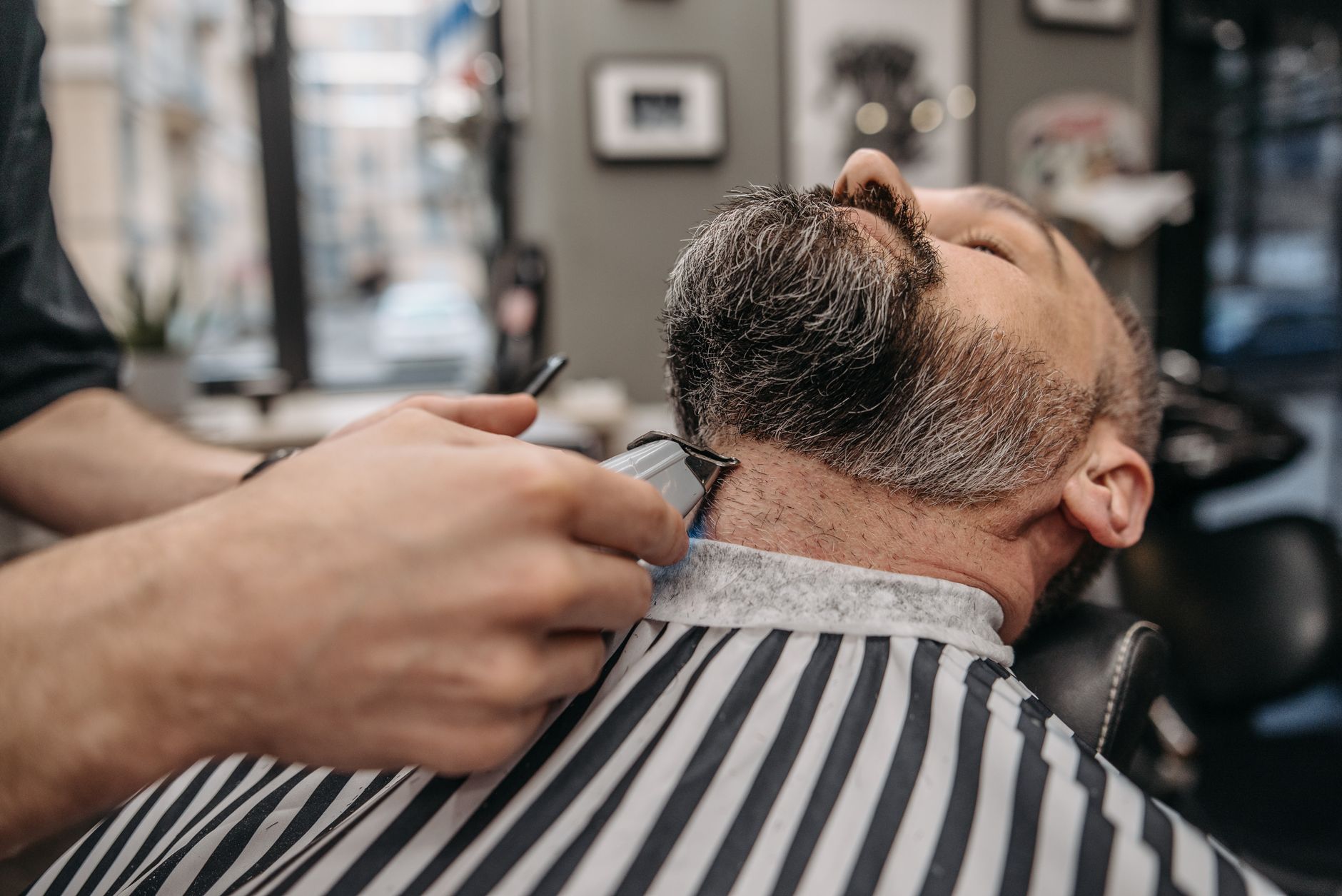
Work from the ears down toward the chin. Move the trimmer in the direction of hair growth using smooth, even strokes. Trim both sides equally and step back to check symmetry in the mirror.
Step 3: Define the Neckline
The neckline is the most important line on your beard. A neckline placed too high makes the beard look awkward and unnatural.
To find it:
- Tilt your head back slightly.
- Place two fingers above your Adam’s apple.
- The top of your fingers marks the bottom edge of your neckline.
- Trim everything below this line cleanly.
A slight curve or “U” shape from ear to ear usually looks most natural.
Step 4: Shape the Cheek Lines
Cheek lines should follow your natural beard growth. For most men, this means a gentle line running from the sideburn area down toward the mustache. Avoid making the line too low, which can make the beard look artificially stamped on.
Use a precision trimmer or razor for sharp cheek lines. If your beard grows high on your cheeks naturally, you can leave the line soft for a more rugged look.
Step 5: Trim the Mustache
Comb your mustache downward over your lip. Use scissors or the edge of your trimmer to cut the hair that hangs over your upper lip. Then trim the sides of the mustache so it blends into your beard and does not overpower your face.
Step 6: Clean Up Stray Hairs
Use scissors to snip any hairs that stick out beyond the main shape of your beard. Check from multiple angles and in different lighting if possible.
Step 7: Fade the Sideburns (Optional)
For a polished look, taper your sideburns from short near the ear to longer as they connect to the beard. Use a shorter guard near the top and gradually switch to longer guards as you move down.
Step 8: Moisturize and Style
Finish with a few drops of beard oil or a small amount of beard balm. Massage it into the hair and down to the skin. Comb or brush the beard into place.
If your beard hair feels dry or brittle, many of the same principles that help how to repair damaged hair apply to facial hair too.
How to Shape a Beard for Your Face Shape
The best beard shape depends on your face shape. The goal is usually to create balance by adding length to round faces or softening angles on square faces.
Beard Shaping by Face Shape
| Face Shape | Best Beard Style | Shaping Tips |
|---|---|---|
| Round | Longer on the chin, shorter on the sides | Add vertical length; keep sides tight |
| Square | Rounded bottom with fuller sides | Soften the jaw with curved lines |
| Oval | Most styles work | Maintain natural proportions |
| Rectangular / Oblong | Shorter on the chin, fuller on the sides | Avoid adding too much length |
| Diamond | Fuller chin and mustache, narrower sides | Balance a narrow chin and wide cheekbones |
Common Mistakes to Avoid When Trimming and Shaping Your Beard
Even experienced beard growers make mistakes. Here are the most common ones and how to avoid them.
1. Trimming Too Much Too Soon
Start with a longer guard and work down. Removing too much hair early forces you to trim the rest shorter than planned.
2. Placing the Neckline Too High
A neckline above the Adam’s apple looks unnatural. Use the two-finger rule to keep it low and flattering.
3. Ignoring Symmetry
Always check both sides of your face. Step back from the mirror to see the full picture.
4. Trimming Wet Hair
Wet hair stretches and then shrinks when dry. Trim dry for accurate length.
5. Neglecting the Mustache
An overgrown mustache can hide your upper lip and make eating messy. Trim it regularly.
6. Using Dull or Dirty Blades
Dull blades pull hair and cause irritation. Clean your trimmer after each use and replace blades as needed.
7. Forgetting the Skin Beneath
Dry skin under a beard causes itchiness and flakes. Wash, exfoliate gently, and moisturize the skin under your beard.
If dry skin is also affecting your lips, our guide on how to get rid of dry lips offers simple remedies that pair well with a beard care routine.
Product Recommendations for Beard Trimming and Care
High-quality products make trimming easier and keep your beard healthier between cuts.
Recommended Beard Care Products
| Product Type | What to Look For | Why It Helps |
|---|---|---|
| Beard trimmer | Adjustable guards, rechargeable, stainless-steel blades | Provides precise, even cuts |
| Beard wash | Sulfate-free, gentle formula | Cleans without drying hair or skin |
| Beard oil | Jojoba oil, argan oil, vitamin E | Moisturizes and adds shine |
| Beard balm | Beeswax, shea butter, natural oils | Styles and conditions medium to long beards |
| Beard comb/brush | Wooden comb or boar bristle brush | Distributes oils and trains hair direction |
| Beard scissors | Sharp, small, rounded tips | Trims stray hairs safely |
Choose fragrance-free products if you have sensitive skin, and patch-test new oils on your inner arm before applying them to your face.
Take your beard grooming to the next level with these expert-backed tips.
- Trim every 1–2 weeks for short beards; every 3–4 weeks for longer styles.
- Use natural light when possible to spot uneven areas.
- Invest in a quality trimmer with adjustable guards and a strong motor.
- Comb before and during trimming to lift hairs and prevent missed spots.
- Outline first, then trim so you know exactly where your boundaries are.
- Let your beard grow for 2–4 weeks before shaping a new style, so you can see your natural growth pattern.
- Apply beard oil daily to keep the hair soft and reduce beard dandruff.
- Visit a barber for complex styles like fades, sharp designs, or major reshaping.
Conclusion
Learning how to trim and shape a beard properly takes a little practice, but the results are worth it. With the right tools, a clear routine, and attention to your neckline and cheek lines, you can keep your beard looking sharp without frequent barber visits.
Start long, trim with the grain, define your lines carefully, and finish with oil or balm. Avoid common mistakes like high necklines and wet trimming, and adjust your shape to flatter your face. Before long, trimming will become a quick and satisfying part of your grooming routine.
Did you find this guide helpful? Share it with a friend who is growing a beard, and explore more of our beauty tips without makeup and skincare guides for a complete grooming routine.
Frequently Asked Questions
References
Last updated
This article is for informational purposes only and does not constitute medical advice. Consult a licensed dermatologist or healthcare provider before starting any new treatment.
Beauty & Hair Care Editor
Amanda Gurton is a beauty editor and researcher with a focus on translating dermatology and trichology insights into clear, actionable advice. She covers skincare routines, hair health, ingredient science, and everyday beauty habits.
Comments (0)
Be the first to comment.
Related Articles

Best Grooming Tips for Men Over 40: A Complete Guide to Looking Sharp
Discover the best grooming tips for men over 40. Learn skincare, haircare, beard, and body routines to look refreshed, confident, and age-appropriate every day.

Self-Tanner Application: How to Get a Natural, Streak-Free Result
Learn how to apply self-tanner for a natural, even, streak-free result, including prep steps, application technique, and how to fix common mistakes.

How to Patch Test Beauty Products Safely
Learn how to properly patch test makeup, hair products, and other beauty items beyond skincare, and how to interpret the results.
Minimalist Makeup Bag: 10 Essentials You Actually Need
Discover the 10 genuine makeup essentials for a minimalist routine, cutting through excess products to focus on what actually matters.