 Funky Millions
How to Create a Relaxing Self-Care Night Routine
Discover how to build a soothing self care night routine that calms your mind, nourishes your skin, and helps you sleep better. Simple steps for real results.

Quick summary
Key Takeaways
- A self care night routine is an intentional evening ritual that blends physical care, mental relaxation, and sleep preparation to help you end the day well.
- A regular evening routine supports skin repair, lowers stress, improves sleep, lifts your mood, and protects your time and energy.
- A cool, dim, quiet space signals to your brain that the day is ending and sleep is near.
- A complete self care night routine moves from environment and skincare to nourishment, movement, mindfulness, and final sleep preparation.
- Simplicity, consistency, and clear boundaries make a self care night routine sustainable.
- Choose multi-purpose, gentle products that support relaxation without overwhelming your routine.
There is a big difference between collapsing into bed at the end of a long day and intentionally winding down. A self care night routine is the small window of time you set aside each evening to reset your body, clear your mind, and prepare for restorative sleep. It does not have to be elaborate, expensive, or time-consuming. What matters is consistency and a handful of calming rituals that signal to your brain: the day is done, and it is safe to relax.
Modern life keeps our nervous systems switched on long after sunset. Screens, deadlines, notifications, and mental to-do lists can push bedtime later and make sleep feel shallow. A purposeful evening routine works with your body's natural circadian rhythm instead of against it. In this guide, you will learn what a self care night routine really is, why it matters for your health and appearance, and exactly how to build one that fits your lifestyle. You will also find expert tips, product recommendations, common mistakes to avoid, and answers to the most frequently asked questions.
What Is a Self-Care Night Routine?
A self care night routine is a planned sequence of calming activities you perform in the evening to transition from the demands of the day into rest. It usually covers three areas: physical care, mental relaxation, and sleep preparation. The routine can last anywhere from twenty minutes to two hours, depending on your schedule and energy level.
Unlike a generic bedtime habit, a self care night routine is intentional. Each step has a purpose. You might cleanse your skin to remove pollution and makeup, sip herbal tea to support digestion, journal to offload anxious thoughts, or dim the lights to trigger melatonin production. The goal is not perfection; it is creating an evening environment that helps you feel grounded and ready for sleep.
Why a Self-Care Night Routine Matters
A consistent evening routine does far more than help you feel pampered. It supports your skin, your mood, your cognitive function, and your overall health.
1. Supports Skin Repair Overnight
Your skin does much of its repair work while you sleep. Blood flow to the skin increases during the night, and cell turnover peaks. Going to bed with clean, moisturized skin gives this natural process the best chance to work. A simple evening skincare step can complement the advice in our guide on how to make your skin glow.
2. Reduces Stress and Cortisol
Cortisol, the body's main stress hormone, is meant to be highest in the morning and lowest at night. Bright lights, work emails, and late-night scrolling can keep cortisol elevated. Calming evening rituals help lower cortisol and activate the parasympathetic nervous system, sometimes called the "rest and digest" state.
3. Improves Sleep Quality
Quality sleep is the foundation of health. The Cleveland Clinic notes that a regular bedtime routine, limited screen time, and a cool, dark room are all part of good sleep hygiene. When you repeat the same relaxing steps each night, your brain learns to associate them with sleep.
4. Boosts Mood and Mental Clarity
Taking even fifteen minutes for yourself at night can reduce feelings of overwhelm. Writing down worries, stretching, or practicing gratitude gives your mind a sense of closure. Many people find they fall asleep faster and wake up with a clearer head.
5. Reinforces Healthy Boundaries
A self care night routine is also a boundary. It tells the world, and yourself, that your rest matters. Over time, that boundary becomes a habit that protects your energy.
How to Build Your Self-Care Night Routine Step by Step
The best routine is the one you will actually follow. Use the steps below as a framework, then customize them to fit your needs, your home, and your available time.
Step 1: Pick a Consistent Start Time
Choose a time to begin your routine each night. It does not need to be the exact minute, but aim for a window of about thirty minutes. Consistency reinforces your circadian rhythm. Over time, your body will begin to feel sleepy at that hour naturally.
- Set a gentle alarm thirty to sixty minutes before you want to be asleep.
- Start your routine at the same time on weekends when possible.
- If your schedule is unpredictable, keep a shorter version for busy nights.
Step 2: Create a Calming Environment
Your surroundings shape how quickly you relax. Small sensory changes can have a big impact.
- Dim overhead lights and use lamps or candles instead.
- Lower the room temperature to between 60 and 67°F (15–19°C) for sleep.
- Add a few drops of lavender or chamomile essential oil to a diffuser.
- Put on soft music, nature sounds, or silence, depending on what soothes you.
Step 3: Do a Digital Detox
Blue light from phones, tablets, and computers suppresses melatonin, the hormone that makes you sleepy. Aim to power down screens at least thirty minutes before bed.
- Turn on "Do Not Disturb" or leave devices in another room.
- If you must use a screen, enable night mode and keep brightness low.
- Replace scrolling with a paperback book, stretching, or light conversation.
Step 4: Cleanse and Care for Your Skin
Washing away the day is one of the most satisfying parts of a self care night routine. Choose a gentle cleanser suited to your skin type. If you wear makeup or sunscreen, consider double cleansing: an oil-based cleanser first, then a water-based one.
- Use lukewarm water, not hot, to avoid stripping natural oils.
- Apply toner, serum, and moisturizer while skin is still slightly damp.
- For extra care, try a hydrating face mask once or twice a week.
If you want more ideas for an at-home facial, see our post on beauty tips for face at home.
Step 5: Take a Warm Bath or Shower
A warm bath or shower one to two hours before bed can help you fall asleep faster. As your body cools afterward, your core temperature drops, which mimics the natural cooling process that happens before sleep.
- Add Epsom salts or a few drops of calming essential oil.
- Keep the bath warm, not scalding, to avoid drying out your skin.
- Follow with body lotion or oil to lock in moisture.
Step 6: Nourish from the Inside
What you eat and drink in the evening affects how well you rest.
- Sip herbal tea such as chamomile, valerian, or passionflower.
- Avoid caffeine for at least six hours before bed.
- Keep dinner light and finish eating two to three hours before sleep.
- A small snack with complex carbs and protein can help if you are hungry.
Step 7: Move Gently
Light movement releases physical tension without raising your heart rate too much.
- Try gentle yoga poses like child's pose, legs-up-the-wall, or reclining butterfly.
- Roll your neck and shoulders if you have been sitting at a desk.
- A five-minute walk after dinner can also aid digestion and relaxation.
Step 8: Practice Mindfulness or Gratitude
Mental relaxation is just as important as physical care.
- Write three things you are grateful for in a notebook.
- Try a five-minute guided breathing exercise.
- If your mind races, do a "brain dump" by writing every thought on paper.
For more confidence-boosting ways to care for yourself naturally, explore our guide to beauty tips without makeup.
Step 9: Tend to Your Hair and Body
Your evening routine can include simple hair and body care that pays off over time.
- Apply a nourishing hair oil or mask before bed. Our coconut oil hair treatment guide explains how to do this safely.
- Massage your scalp for a few minutes to increase circulation.
- Use a rich hand cream or cuticle oil to combat dryness.
Step 10: Prepare for Sleep
The final step is to make your bed irresistible.
- Change into breathable pajamas.
- Fluff pillows and straighten sheets.
- Use blackout curtains or an eye mask if light leaks in.
- Keep a glass of water on the nightstand.
Common Mistakes to Avoid
Even with good intentions, it is easy to turn a relaxing routine into another source of stress. Avoid these common pitfalls.
| Mistake | Why It Hurts | Better Approach |
|---|---|---|
| Making the routine too long | A complicated routine is hard to sustain on busy nights | Keep a 10-minute minimum version |
| Checking work emails | Work thoughts raise cortisol and delay sleep | Set a firm work cutoff time |
| Using harsh skincare products | Over-exfoliation can damage the skin barrier | Choose gentle, hydrating formulas |
| Drinking alcohol to relax | Alcohol fragments sleep and reduces REM quality | Use herbal tea or breathing exercises instead |
| Skipping the routine on weekends | Irregular timing disrupts your circadian rhythm | Maintain a shorter but consistent version |
| Sleeping with makeup on | Clogs pores and prevents skin repair | Always cleanse before bed |
Product and Ingredient Recommendations
You do not need a cabinet full of products. A few well-chosen items can support your routine.
Skincare
- Gentle cleanser: Look for ceramides, glycerin, or hyaluronic acid.
- Moisturizer: Choose one with niacinamide or peptides for barrier support.
- Lip balm: A thick balm with shea butter or beeswax helps overnight healing. Our guide on how to get rid of dry lips has more tips.
Relaxation
- Essential oils: Lavender, cedarwood, and bergamot are commonly used for relaxation.
- Epsom salts: Magnesium sulfate baths may help relax tired muscles.
- Herbal teas: Chamomile, lemon balm, and passionflower are caffeine-free choices.
Sleep Support
- White noise machine or app: Blocks disruptive sounds.
- Eye mask: Creates total darkness.
- Weighted blanket: Some people find gentle pressure calming.
DIY vs. Store-Bought Relaxation Helpers
Not sure whether to make your own self-care products or buy them? This comparison can help.
| Feature | DIY Options | Store-Bought Options |
|---|---|---|
| Cost | Usually lower | Varies widely |
| Customization | High; you control ingredients | Limited to available formulas |
| Convenience | Requires prep and storage | Ready to use |
| Safety | Patch test recommended | Look for reputable brands and patch test |
| Shelf life | Shorter without preservatives | Longer with stabilizers |
| Examples | Sugar lip scrub, oatmeal face mask, herbal pillow spray | Pre-formulated serums, diffusers, sleep masks |
If you prefer natural approaches, our home remedies for acne scars article shares simple DIY ideas that fit a self-care mindset.
Small upgrades can make your evening ritual feel more effective and enjoyable.
- Layer your skincare from thinnest to thickest. Start with toner, then serum, then moisturizer. This helps active ingredients penetrate.
- Use a silk pillowcase. It reduces friction on skin and hair, which may help prevent sleep lines and breakage.
- Keep a sleep journal. Track what helps you fall asleep and what keeps you awake. Patterns become clear quickly.
- Try the 4-7-8 breathing method. Inhale for four counts, hold for seven, exhale for eight. Repeat four times.
- Set a "worry window" earlier in the evening. Spend ten minutes addressing concerns so they do not follow you to bed.
- Invest in blackout curtains. Darkness boosts melatonin more effectively than supplements for many people.
- Hydrate early. Drink most of your water earlier in the day to avoid waking for the bathroom.
For more ways to care for your skin while you sleep, see our article on how to get clear skin.
Conclusion
A self care night routine is one of the simplest ways to take care of your skin, your mind, and your sleep. You do not need perfection or a long list of products. You need a quiet space, a few intentional steps, and the willingness to protect your evening time.
Start small tonight. Dim the lights, cleanse your face, put your phone away, and spend ten minutes doing something that calms you. Build from there. If you found this guide helpful, share it with a friend who needs a better night's sleep, and explore more of our wellness articles on FunkyMillions.com.
Tags: self care, night routine, sleep hygiene, relaxation, wellness, skincare at night, evening routine, stress relief, healthy habits
Categories: General Information, Beauty Tips & Tricks, Skin Care
Frequently Asked Questions
Last updated
This article is for informational purposes only and does not constitute medical advice. Consult a licensed dermatologist or healthcare provider before starting any new treatment.
Beauty & Hair Care Editor
Ilma is a beauty editor who specializes in breaking down cosmetic ingredients, skincare routines, and hair care practices. Her work focuses on evidence-based guidance readers can trust and apply.
Comments (0)
Be the first to comment.
Related Articles
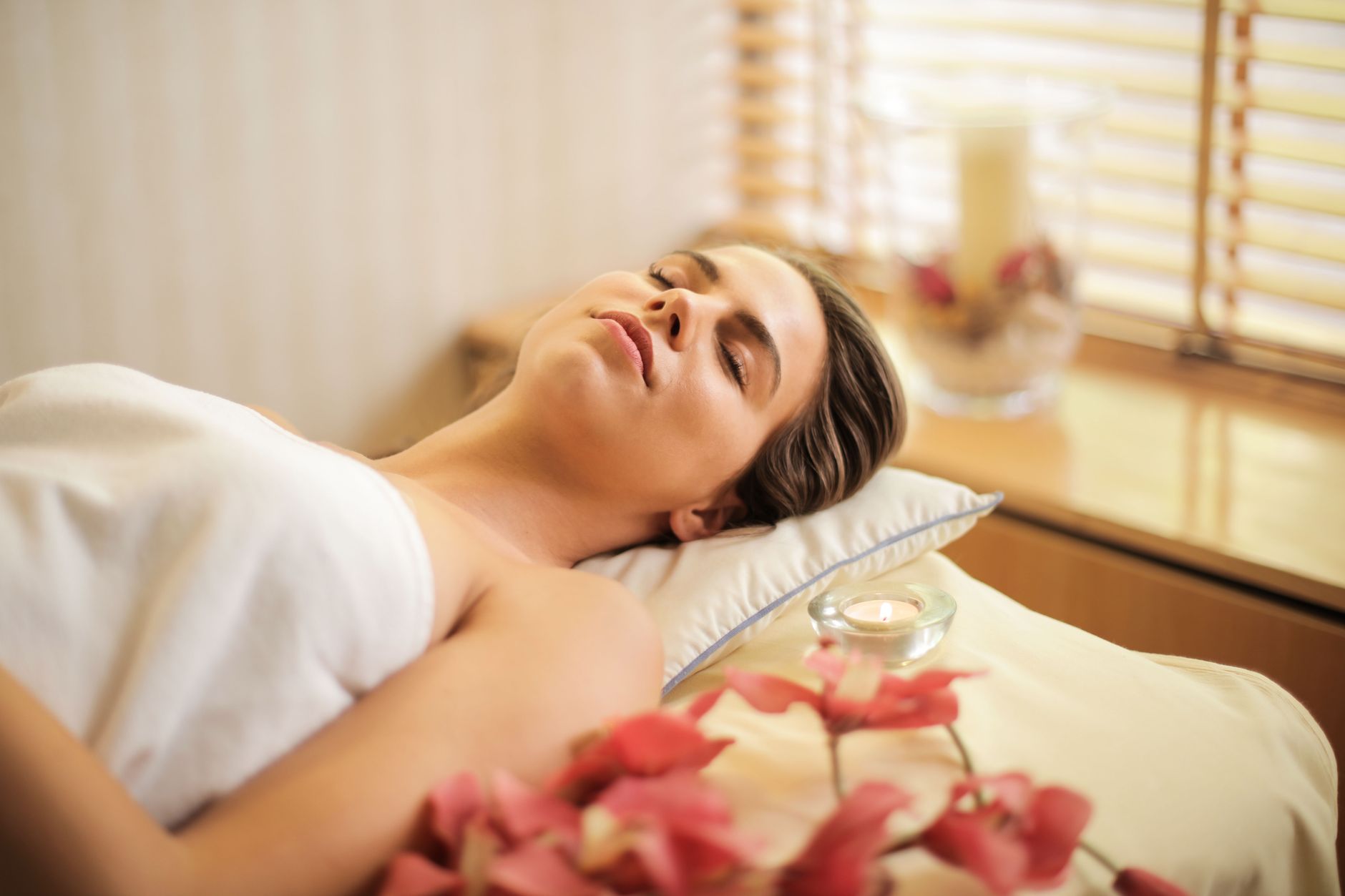
Aromatherapy for Stress Relief and Better Sleep
Discover how aromatherapy for stress relief and sleep uses essential oils to calm your mind, ease tension, and improve rest naturally.

Sleep and Skin Health: Why Beauty Sleep Is Real
Discover how sleep and skin health are connected. Learn the science behind beauty sleep, skin repair at night, and how to build a bedtime routine for glowing skin.
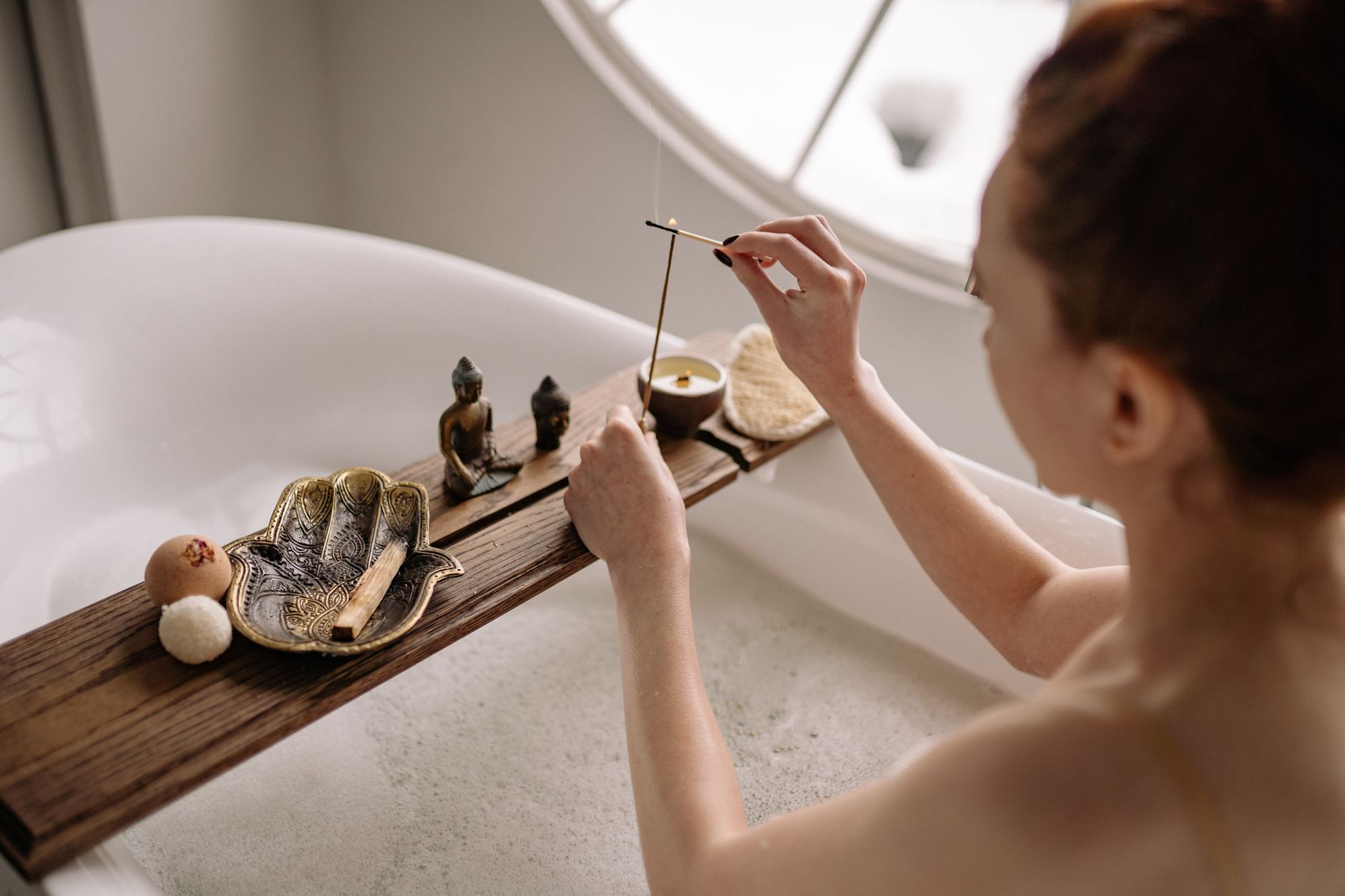
How to Do a Relaxing Bath Ritual at Home
Discover how to do a relaxing bath ritual at home with step-by-step tips, soothing ingredients, and expert advice for stress relief and better sleep.
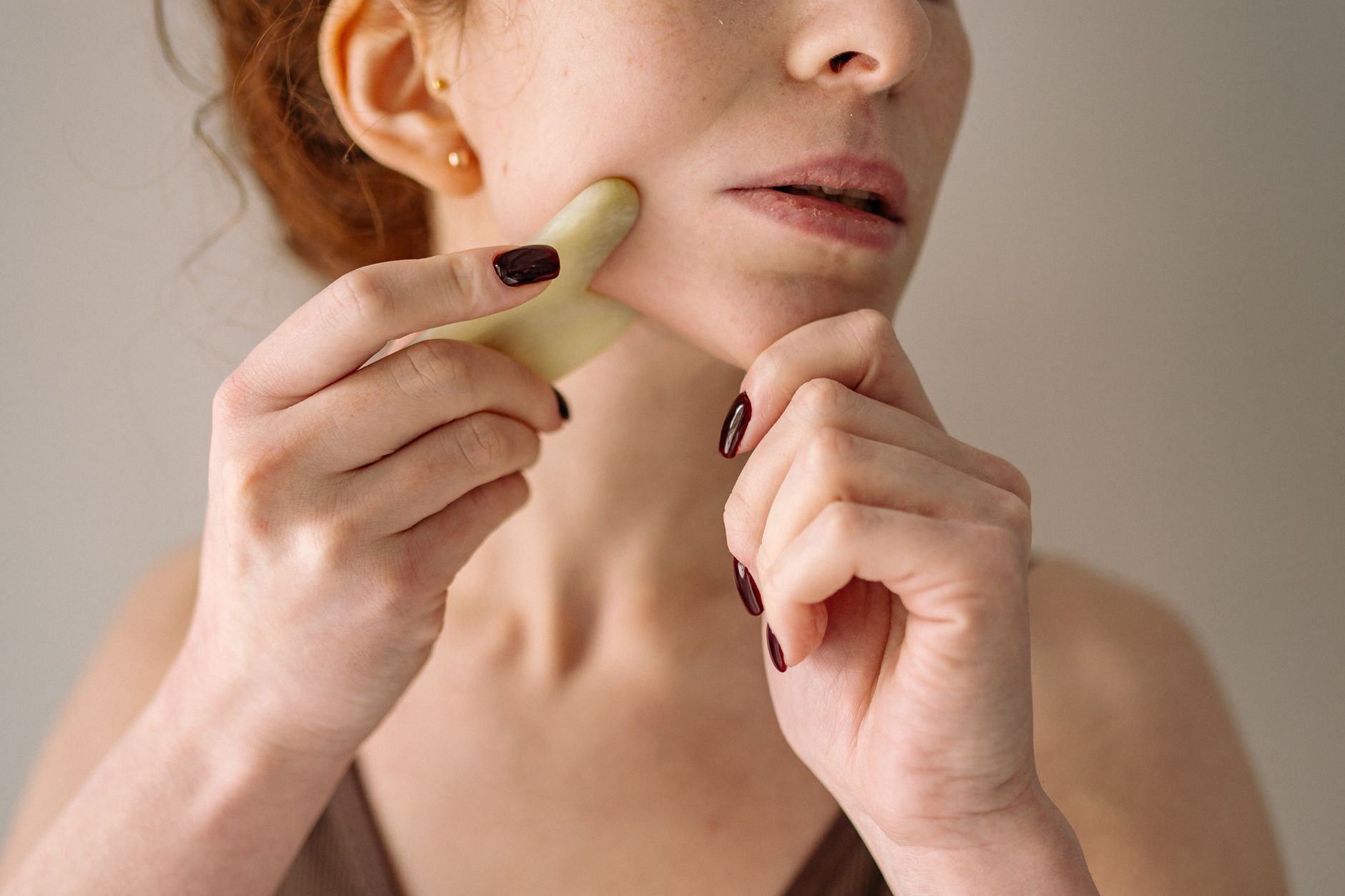
Gua Sha Facial Tool: How to Use It and What It Actually Does
Learn how to properly use a gua sha facial tool, what the practice can genuinely do for skin, and where its benefits are more modest than social media suggests.