 Funky Millions
Cream vs. Liquid vs. Powder Foundation: Which Finish Wins?
Cream vs liquid vs powder foundation: compare coverage, finish, and longevity for each formula to find the best match for your skin type.
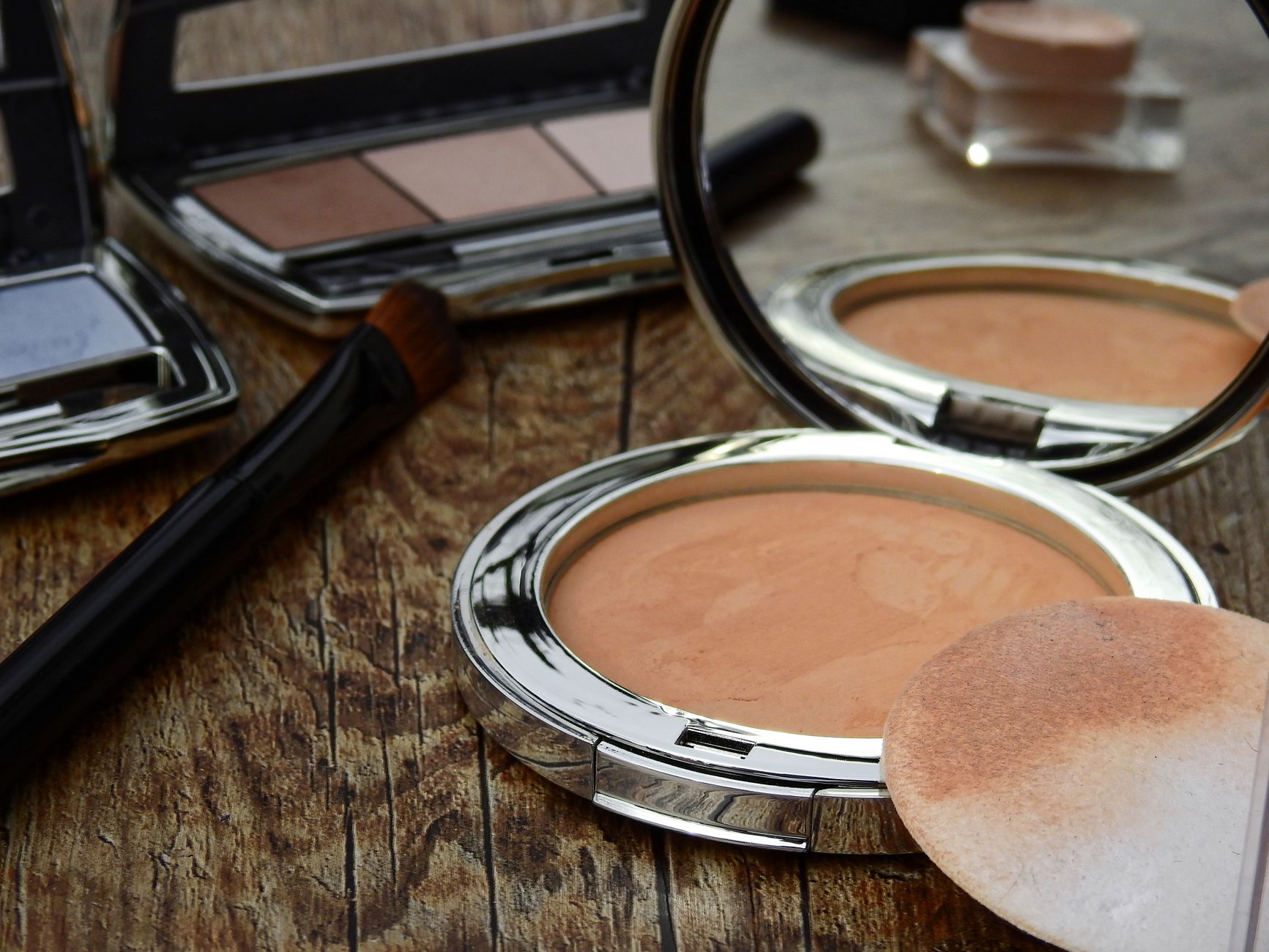
Quick summary
Key Takeaways
- Cream foundation offers medium to full coverage with a naturally dewy finish, particularly well suited to drier skin due to its emollient formulation.
- Liquid foundation offers the widest range of finish and coverage options, making it the most versatile and customizable formula category.
- Powder foundation offers light to medium, matte coverage with particularly easy application and touch-up convenience.
- Liquid foundation offers the broadest coverage range, while cream tends toward higher coverage and powder tends toward lighter coverage.
- All three formulas can offer good longevity when applied and set correctly, though the specific mechanism and touch-up needs differ by category.
- Powder foundation generally offers the longest shelf life, making it a practical choice for infrequent users, while cream formulas often require closer attention to expiration and freshness given their typically shorter stable usage window.
- Combining formulas, typically a liquid or cream base with powder setting or touch-ups, offers a practical way to capture the benefits of multiple categories at once.
- Powder foundation can emphasize textural concerns like enlarged pores and scarring, while cream and liquid formulas tend to blur and soften texture more effectively, making formula choice for textured skin sometimes more important than the oily-versus-dry framework alone suggests.
- Mature skin generally benefits from dewy or satin formulas over matte options, even when oil production is still present, since matte finishes tend to emphasize fine lines in a way that outweighs their oil-control benefit for this skin type.
Foundation formula affects far more than just how a product feels going on, it fundamentally shapes coverage level, finish, longevity, and how well it suits your specific skin type. Comparing cream vs liquid vs powder foundation helps clarify which formula category actually matches your skin's needs, rather than choosing based on which is currently trending.
What Is Cream Foundation?
Cream foundation is a rich, emollient formula, typically packaged in a compact, jar, or stick, offering medium to full coverage with a naturally dewy to satin finish. Its higher oil and emollient content makes it particularly well suited to drier skin types, providing hydration alongside coverage.
What Is Liquid Foundation?
Liquid foundation is the most versatile and widely used formula category, available across an enormous range of finishes (matte, dewy, satin) and coverage levels (sheer to full). Its water- or silicone-based formulation allows for more customization within the category than cream or powder typically offer.
What Is Powder Foundation?
Powder foundation is a pressed or loose powder formula providing light to medium coverage with a naturally matte finish. It is often favored for quick application, easy touch-ups throughout the day, and its natural compatibility with oily skin's need for oil absorption.
Coverage Comparison
| Formula | Typical Coverage Range |
|---|---|
| Cream | Medium to full |
| Liquid | Sheer to full (most variable) |
| Powder | Light to medium |
Finish Comparison
| Formula | Typical Finish |
|---|---|
| Cream | Dewy to satin |
| Liquid | Varies widely (matte, dewy, satin, natural) |
| Powder | Matte |
Longevity Comparison
Cream foundation's longevity depends significantly on proper setting, since its higher oil content can cause it to move throughout the day without adequate powder setting. Liquid foundation's longevity varies by specific formula, with long-wear liquid formulas often rivaling or exceeding other categories. Powder foundation offers good touch-up convenience throughout the day but may require more frequent reapplication for full coverage maintenance compared to a well-set liquid or cream base.
Cream vs. Liquid vs. Powder Comparison Table
| Feature | Cream | Liquid | Powder |
|---|---|---|---|
| Coverage | Medium-full | Sheer-full | Light-medium |
| Finish | Dewy-satin | Varies widely | Matte |
| Best skin type | Dry, normal, mature | All skin types (formula-dependent) | Oily, combination |
| Application speed | Moderate | Moderate | Fast |
| Touch-up ease | Moderate | Moderate | Very easy |
| Packaging | Compact, jar, stick | Bottle, pump | Pressed compact, loose |
Best Formula by Skin Type
| Skin Type | Recommended Formula |
|---|---|
| Oily | Powder or matte liquid |
| Dry | Cream or dewy liquid |
| Combination | Liquid (often the most adaptable) |
| Mature | Cream or dewy/satin liquid |
| Sensitive | Depends on individual formulation; patch test any new product |
Our guide on how to apply foundation like a pro covers application technique across formula types in more depth.
Application Tools by Formula
| Formula | Recommended Tools |
|---|---|
| Cream | Damp sponge, dense buffing brush, or fingers |
| Liquid | Damp sponge, foundation brush, or fingers |
| Powder | Powder puff (for full coverage) or fluffy brush (for lighter coverage) |
Foundation Formula Shelf Life and Product Stability
Formula type also affects how long a foundation typically remains usable and stable once opened, a practical consideration worth factoring into purchasing decisions, particularly for products used infrequently or purchased in larger sizes.
Powder foundation generally has the longest shelf life among the three categories, often remaining usable for up to two years after opening, since its dry formulation is less hospitable to bacterial growth than water- or oil-based products. Liquid foundation typically has a moderate shelf life, often around 12 months after opening, though this varies by specific formulation and preservative system, while cream foundation, particularly natural or preservative-light formulas, sometimes has a shorter usable window, especially once opened and exposed to repeated air and finger contact if not dispensed through a pump or airless packaging.
For infrequent users or those who tend to purchase foundation in larger sizes for cost savings, powder's longer shelf life can make it a more practical choice from a value perspective, independent of any finish or coverage considerations, while those who prefer cream formulas should pay closer attention to expiration timelines and any changes in smell, texture, or color that indicate a product should be replaced.
Can You Combine Formulas?
Yes, and this is a common professional technique. A liquid or cream base can be set and touched up throughout the day with a powder foundation or translucent powder, combining the seamless base liquid or cream provides with powder's oil control and easy touch-up convenience. This layered approach is particularly popular for those wanting both a natural, dewy base and long-lasting, shine-free wear.
How Foundation Formula Interacts With Skin Texture
Beyond skin type, underlying skin texture, whether smooth, textured from acne scarring, or affected by fine lines, interacts with each foundation formula differently, an important consideration separate from the oil-versus-dryness framework most foundation advice centers around.
Powder foundation tends to sit on top of textured skin in a way that can emphasize rather than minimize the appearance of enlarged pores, acne scarring, or fine lines, since its dry, matte finish does not fill in or blur these irregularities the way a more fluid formula can. This is one of the more commonly cited drawbacks of powder foundation beyond its general coverage limitations, and it is worth considering separately from oil control when deciding whether powder is right for your skin, even if you have oily skin, significant texture concerns might make a matte liquid formula a better compromise than powder specifically.
Cream and liquid formulas, by contrast, generally blend into and slightly fill textured areas as they set, creating a smoother visual appearance that powder alone typically cannot achieve. This is part of why many professional makeup artists specifically choose liquid or cream formulas as a base even for oily-skin clients with textural concerns, then layer a light powder setting only in the most oil-prone zones, rather than using powder as the primary, all-over formula.
Common Mistakes to Avoid
Choosing Cream Foundation for Very Oily Skin Without Adjustment
Cream foundation's emollient formula can be too rich for very oily skin without careful setting and oil-control steps layered on top.
Using Powder Foundation Without Adequate Skin Prep
Powder foundation can emphasize dryness or texture on unprepped skin, making a well-moisturized base essential before application.
Assuming All Liquid Foundations Perform the Same Way
Given the wide range of finishes and coverage levels within the liquid category, assuming any liquid foundation will work identically to another ignores significant formulation differences.
Not Considering Climate When Choosing Formula
Cream and dewy liquid formulas may perform differently in humid versus dry climates, an important factor beyond skin type alone.
Foundation Formula and Age-Related Considerations
As skin changes with age, the same general skin-type recommendations discussed earlier benefit from an additional layer of nuance specifically related to how each formula interacts with more mature skin's particular characteristics.
Matte powder and matte liquid formulas, while often recommended for oily skin generally, can be particularly unforgiving on mature skin, since the flat, light-absorbing finish tends to settle into fine lines and can create a heavier, more aged appearance than the same skin would show with a dewier finish. This is true even for mature skin that still produces meaningful oil, meaning the oily-skin-equals-matte-formula rule of thumb deserves more flexibility once fine lines and reduced elasticity become more prominent skin characteristics.
Cream and dewy liquid formulas tend to be more universally recommended for mature skin specifically because their light-reflecting properties can help soften the appearance of fine lines and create a more luminous, youthful-looking finish, an effect that has less to do with actual coverage or oil control and more to do with how light interacts with the product's finish. For mature skin with genuine oil production still present in specific zones, a dewy or satin base with light powder touch-ups limited to the most oil-prone areas, rather than an all-over matte approach, often strikes the best balance between managing shine and avoiding an aging, flat finish.
- Match formula primarily to your skin type, then fine-tune based on desired finish and coverage level.
- Consider combining formulas for the most comprehensive coverage and longevity, particularly for special occasions.
- Test a new formula in the actual climate and conditions you plan to wear it in, since performance can vary by environment.
- Prep skin appropriately for your chosen formula, with extra hydration for powder and appropriate oil control for cream.
Conclusion
The cream vs liquid vs powder foundation decision comes down to your skin type, desired coverage level, and preferred finish, with each formula offering genuine strengths for different needs. Cream suits dry and mature skin with its dewy, hydrating finish, liquid offers the most versatility across skin types and desired looks, and powder suits oily skin with its convenient, matte, easy-to-touch-up formula. Many people find combining formulas, particularly a liquid or cream base with powder setting, offers the most complete, long-lasting result.
For more on application technique across foundation types, see our guide on how to apply foundation like a pro.
Category: Makeup
Tags: cream foundation, liquid foundation, powder foundation, foundation formulas, makeup coverage, matte finish, dewy finish, foundation for skin type, makeup basics, base makeup
Frequently Asked Questions
References
Last updated
This article is for informational purposes only and does not constitute medical advice. Consult a licensed dermatologist or healthcare provider before starting any new treatment.
Beauty & Hair Care Editor
Ilma is a beauty editor who specializes in breaking down cosmetic ingredients, skincare routines, and hair care practices. Her work focuses on evidence-based guidance readers can trust and apply.
Comments (0)
Be the first to comment.
Related Articles
Setting Powder vs. Setting Spray: Do You Need Both?
Setting powder vs setting spray: learn the real differences, whether you need both, and how to layer them for makeup that lasts all day.
Makeup Mistakes That Age Mature Skin (and What to Do Instead)
Discover common makeup mistakes that can age mature skin, from wrong product textures to outdated techniques, and learn what to do instead.
Do You Actually Need a Makeup Primer? What It Really Does
Learn what makeup primer actually does, whether you really need one, and how to choose the right primer for your skin type and concerns.

Best Makeup Techniques for Oily Skin That Actually Lasts
Learn the best makeup techniques, products, and application order for oily skin that actually stays fresh and shine-free all day.