 Funky Millions
Glossy Lips vs. Matte Lips: How to Choose for Your Look
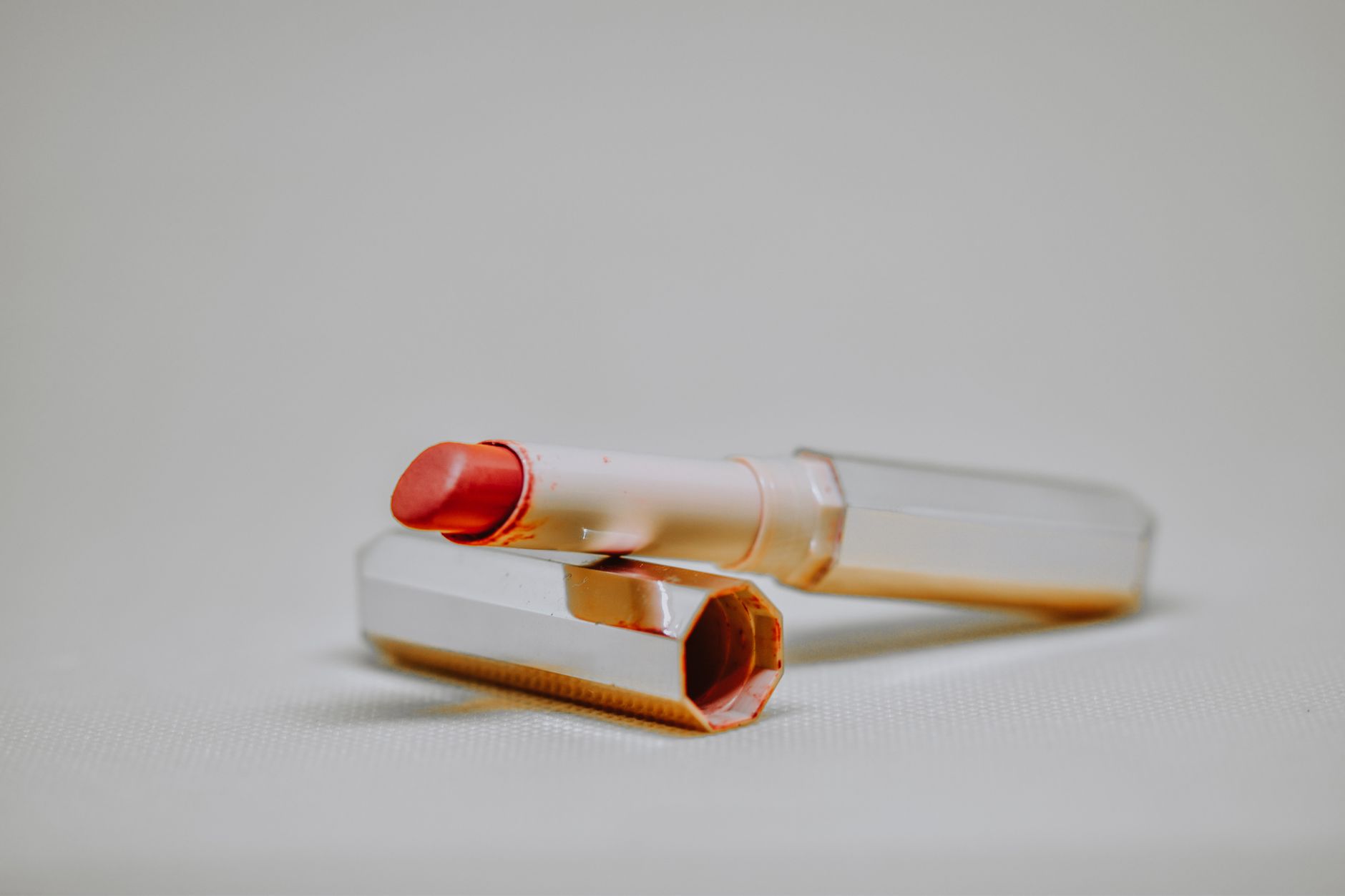
Glossy lips vs matte lips: compare longevity, comfort, and application for each finish to choose the right look for any occasion.
Quick summary
Key Takeaways
- Glossy finishes rely on light reflection and higher emollient content to create a shiny, plumped, hydrated-looking lip appearance.
- Matte finishes eliminate shine through powder or polymer-based formulation, creating a flat, non-reflective lip appearance.
- Glossy formulas tend to feel more comfortable and hydrating, while matte formulas require more attention to lip prep to avoid a drying, texture-emphasizing feel.
- Matte formulas generally last longer and transfer less, while glossy formulas offer more comfort at the cost of needing more frequent reapplication.
- Glossy lip application is generally straightforward, requiring minimal technique beyond basic lip prep and direct application.
- Thorough lip prep and allowing adequate setting time are essential for a smooth, long-lasting matte lip application.
- Glossy formulas rely on oils and light-reflecting particles that provide comfort but reduce longevity, while matte formulas rely on film-forming polymers that provide superior wear resistance at the cost of the ongoing moisture glossy formulas deliver.
- Combining a matte base with a touch of gloss in the center of the lips offers a hybrid approach capturing benefits from both finish categories.
- Glossy finishes tend to visually enhance perceived lip fullness through light reflection, while matte finishes create a flatter, more defined appearance, information useful for choosing a finish intentionally based on your desired visual effect.
- Lip finish trends cycle between matte and glossy dominance roughly in line with broader shifts in overall makeup aesthetic, making practical, personal factors a more reliable guide for finish choice than following whichever trend is currently most visible.
Lip finish shapes the entire feel of a makeup look, glossy lips read as fresh and youthful, while matte lips read as polished and intentional. Comparing glossy lips vs matte lips across comfort, longevity, and application helps you choose the right finish for any given occasion, rather than defaulting to whichever is trending.
What Defines a Glossy Finish?
Glossy lip products contain higher levels of emollients and light-reflecting ingredients, creating a shiny, reflective, plumped-looking finish. This category includes traditional lip gloss, glossy lipsticks, and lip oils, all sharing the common characteristic of reflecting light for a fuller, more hydrated appearance.
What Defines a Matte Finish?
Matte lip products contain little to no shine-producing ingredients, instead using powder or specific polymer technology to create a flat, non-reflective finish. This category includes traditional matte lipsticks and liquid lip formulas specifically marketed as matte or "liquid lipstick."
Comfort and Wear Feel Comparison
Glossy formulas generally feel more comfortable and hydrating throughout wear, since their higher emollient content actively moisturizes the lips. Matte formulas, particularly liquid lipsticks, can feel drying over extended wear, sometimes emphasizing texture or fine lines on the lips if not adequately prepped beforehand.
Longevity Comparison
Matte formulas, particularly liquid lipsticks, generally offer significantly better longevity, often lasting through eating and drinking far better than glossy formulas, which tend to transfer and fade more quickly. This trade-off, comfort versus longevity, is one of the most significant practical differences between the two finish categories.
Application Technique for Glossy Lips
Step 1: Prep Lips
Exfoliate gently if needed, then apply a hydrating lip balm as a base.
Step 2: Apply Gloss or Glossy Lipstick
Apply directly from the applicator or with a lip brush, building coverage as desired.
Step 3: Blot Lightly if Needed
For a less sticky feel, blot very lightly with a tissue, though this will reduce some of the glossy effect.
Application Technique for Matte Lips
Step 1: Exfoliate and Prep Thoroughly
Matte formulas emphasize texture more than glossy ones, making thorough lip exfoliation and hydration especially important beforehand.
Step 2: Apply a Thin Layer
Apply matte lipstick or liquid lipstick in a thin, even layer, since these formulas often cannot be easily blended once set.
Step 3: Let It Set (For Liquid Formulas)
Allow liquid matte lipstick to fully dry and set before eating, drinking, or touching your lips, since it can smudge if disturbed before setting.
Step 4: Avoid Over-Blotting
Unlike traditional lipstick, most matte liquid formulas do not require blotting and can actually be disrupted by it.
Ingredient Differences Behind Each Finish
Understanding the specific ingredients that create each finish helps explain their differing comfort and longevity characteristics at a formulation level, beyond simply observing the end result.
Glossy formulas typically rely heavily on emollient oils, waxes, and light-reflecting ingredients like specific esters or mica particles, which coat the lips in a way that both moisturizes and bends light to create shine. This same oil-rich composition is precisely why glossy formulas transfer more readily, the ingredients that create shine and comfort are also inherently less "sticky" or adherent to the lip surface compared to matte formulations.
Matte formulas, particularly modern liquid lipsticks, typically rely on silicone-based polymers or specific film-forming ingredients that create a thin, flexible, non-shiny layer that adheres more tenaciously to the lips and resists transfer far better than oil-based glossy formulas. This film-forming technology is also why matte formulas can feel more like a "second skin" that sets and stays put, but also why they can feel drying, the same polymers creating superior wear resistance are not delivering the ongoing moisture that glossy formulas' oil content provides throughout wear.
Which Finish Suits Which Occasion
| Occasion | Recommended Finish |
|---|---|
| Everyday, casual wear | Either, based on personal preference |
| Extended events (weddings, long shifts) | Matte, for longevity |
| Photography-focused events | Matte (reduces unwanted shine/reflection issues) or a lower-shine gloss |
| Dry, cold weather | Glossy, for added comfort and hydration |
| Meals/dining occasions | Matte (less prone to transferring onto food/glasses) |
Comparison Table: Glossy vs. Matte Lips
| Feature | Glossy Lips | Matte Lips |
|---|---|---|
| Comfort | Higher, more hydrating | Lower, can feel drying |
| Longevity | Lower, prone to transfer | Higher, more transfer-resistant |
| Visual effect | Plumped, youthful | Polished, defined |
| Lip prep importance | Moderate | High |
| Best for | Casual wear, dry weather | Long events, photography, dining |
Combining Both Finishes
Many makeup artists use a technique combining both finishes: applying matte lipstick as a base for longevity and definition, then adding a small amount of gloss to the center of the lips for a plumped, dimensional effect without sacrificing all of matte's longevity benefits. This "glossy matte" hybrid offers a practical middle ground for those wanting elements of both finishes.
How Lip Size and Shape Interact With Finish Choice
Beyond personal preference and occasion, lip finish can be used strategically to work with or subtly balance your natural lip proportions, a consideration worth understanding for anyone wanting to make an intentional, rather than purely aesthetic, choice between the two.
Glossy finishes, due to their light-reflecting properties, tend to visually enhance the appearance of fullness, which is part of why gloss is so frequently associated with a plumped, youthful lip look. For those with naturally fuller lips wanting to emphasize this feature, a glossy finish amplifies what is already there, while for those with thinner lips wanting to create the illusion of more volume, a light gloss applied primarily to the center of the lips, sometimes combined with a slightly overlined lip liner, can help create additional visual dimension.
Matte finishes, by contrast, tend to visually flatten and can make lips appear slightly smaller or less voluminous than they would with a glossy finish, simply due to the absence of light reflection creating dimension. This does not mean matte is unflattering for fuller lips, many people with naturally full lips prefer matte specifically for its more defined, polished look rather than additional plumping, but it is worth understanding this general visual tendency when deciding which finish best serves your specific goals for any given look.
Common Mistakes to Avoid
Skipping Lip Prep for Matte Formulas
Matte lipstick applied over dry, textured lips will emphasize rather than hide any flakiness or unevenness, making thorough prep essential.
Reapplying Gloss Too Frequently Without Removing Old Product
Layering fresh gloss over old, transferred product can create an uneven, patchy buildup rather than a fresh application.
Not Allowing Liquid Matte Formulas to Set
Touching, eating, or drinking before liquid matte lipstick has fully set can cause smudging or uneven wear.
Choosing Matte for Extremely Dry Lips Without Extra Prep
Very dry or chapped lips generally need more intensive hydration and exfoliation before matte application than typical lip prep provides.
Seasonal Trends in Lip Finish and Why They Shift
Lip finish preference has shown a fairly consistent cyclical pattern over the decades, and understanding this history helps explain why one finish or the other tends to dominate mainstream beauty content and product releases at any given time, rather than either finish being objectively "better" or more current.
Matte lip trends have historically surged during periods associated with a more polished, structured, or minimalist overall aesthetic, since matte's flat, defined finish complements clean, precise makeup looks particularly well. Glossy lip trends, conversely, have tended to resurge during periods favoring a more youthful, dewy, "your-skin-but-better" overall aesthetic, since gloss's light-reflecting, plumped quality pairs naturally with a fresh-faced makeup philosophy rather than a heavily structured one.
Rather than trying to chase whichever finish is currently dominant in social media and product marketing, choosing based on the practical factors discussed throughout this guide, comfort needs, longevity requirements for a given occasion, and how each finish interacts with your specific lip shape, tends to produce more consistently satisfying results than following trend cycles that will inevitably shift again regardless of which finish is currently favored.
- Prep lips thoroughly before matte application, since this finish emphasizes texture more than glossy formulas.
- Consider the occasion's demands, choosing matte for longevity-focused events and gloss for comfort-focused, shorter-wear situations.
- Try the hybrid technique for a balance of definition and dimension if you cannot decide between the two finishes.
- Keep a hydrating lip treatment on hand for use between matte applications to prevent cumulative dryness.
Conclusion
The glossy lips vs matte lips choice ultimately depends on the balance you want between comfort and longevity for a given occasion. Glossy finishes offer superior comfort and hydration, well suited to casual wear and dry weather, while matte finishes offer superior longevity and transfer resistance, better suited to extended events and photography. Understanding proper application technique for each, particularly the importance of lip prep for matte formulas, helps you achieve a polished result regardless of which finish you choose.
For more on complementary makeup techniques, see our guide on lipstick for beginners.
Category: Makeup
Tags: glossy lips, matte lips, lip gloss, matte lipstick, lip finish, liquid lipstick, lip makeup, makeup basics, lip prep, long-wear lipstick
Frequently Asked Questions
References
Last updated
This article is for informational purposes only and does not constitute medical advice. Consult a licensed dermatologist or healthcare provider before starting any new treatment.
Beauty & Hair Care Editor
Ilma is a beauty editor who specializes in breaking down cosmetic ingredients, skincare routines, and hair care practices. Her work focuses on evidence-based guidance readers can trust and apply.
Comments (0)
Be the first to comment.
Related Articles
Setting Powder vs. Setting Spray: Do You Need Both?
Setting powder vs setting spray: learn the real differences, whether you need both, and how to layer them for makeup that lasts all day.
Makeup Mistakes That Age Mature Skin (and What to Do Instead)
Discover common makeup mistakes that can age mature skin, from wrong product textures to outdated techniques, and learn what to do instead.
Do You Actually Need a Makeup Primer? What It Really Does
Learn what makeup primer actually does, whether you really need one, and how to choose the right primer for your skin type and concerns.
Best Makeup Techniques for Oily Skin That Actually Lasts
Learn the best makeup techniques, products, and application order for oily skin that actually stays fresh and shine-free all day.