 Funky Millions
Pregnancy-Safe Skincare Routine: Ingredients to Avoid and Use
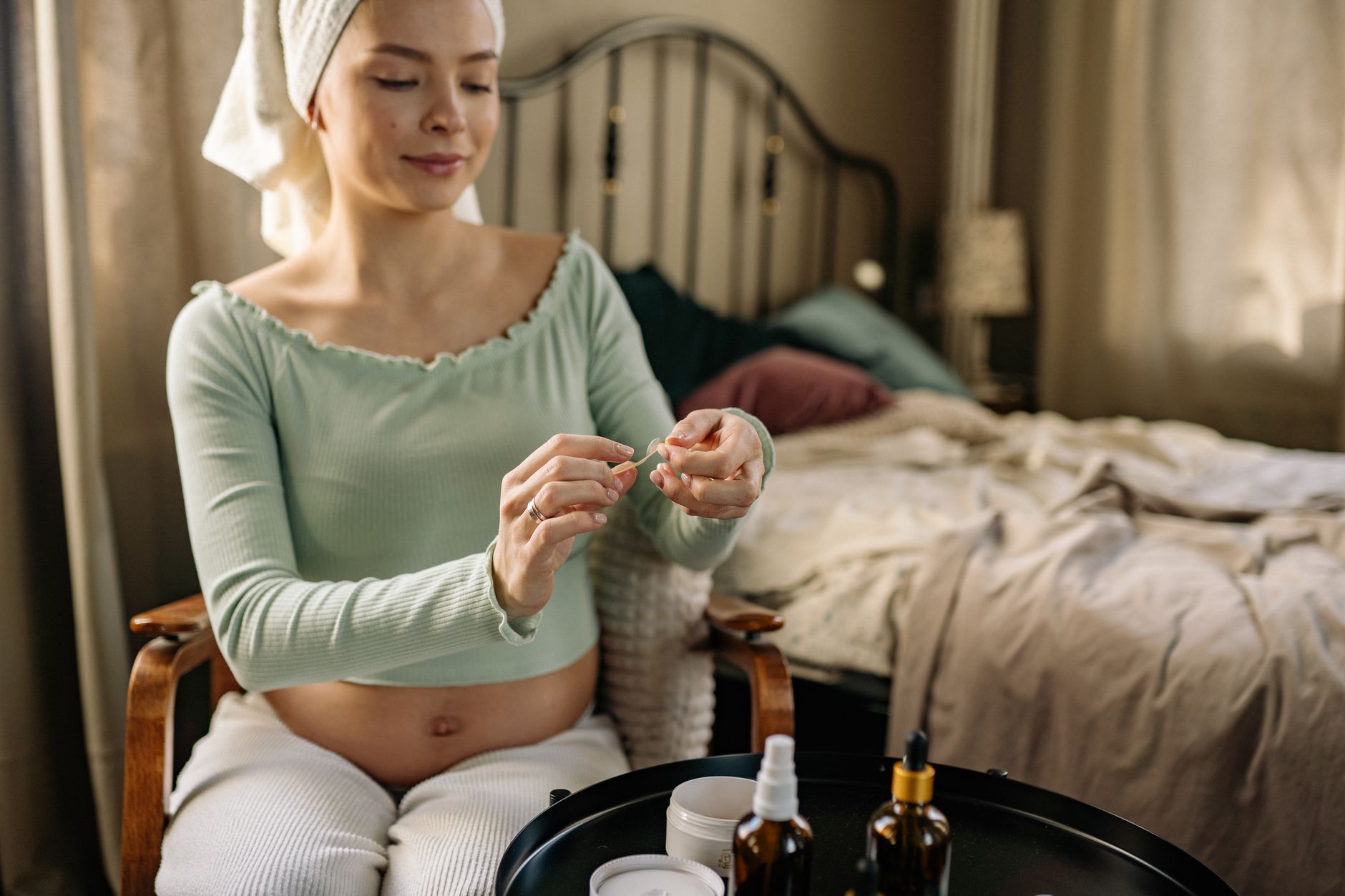
Build a safe pregnancy skincare routine with confidence. Learn which ingredients to avoid, what to use instead, and a simple morning and evening routine.
Quick summary
Key Takeaways
- A pregnancy safe skincare routine avoids retinoids, hydroquinone, high-strength salicylic acid peels, and certain chemical filters, while relying on gentle cleansers, mineral sunscreen, azelaic acid, niacinamide, and barrier-repairing moisturizers.
- Pregnancy-safe skincare is a simplified, label-conscious routine that prioritizes gentle cleansing, hydration, mineral sun protection, and pregnancy-approved active ingredients.
- A pregnancy safe skincare routine protects your developing baby, calms hormonally reactive skin, prevents pigmentation, and removes the guesswork from product shopping.
- Avoid retinoids, hydroquinone, high-strength salicylic acid peels, formaldehyde-releasing preservatives, and chemical sunscreens during pregnancy. When in doubt, choose mineral and fragrance-free formulas.
- Safe pregnancy actives include azelaic acid, niacinamide, vitamin C, glycolic acid, lactic acid, hyaluronic acid, ceramides, peptides, and mineral sunscreen filters.
- The morning routine focuses on gentle cleansing, hydration, antioxidant protection, and mineral sunscreen to prevent melasma and UV damage.
- The evening routine is about cleansing away the day, treating concerns with one pregnancy-safe active, and restoring moisture while you sleep.
- Match your routine to your concern using safe ingredients, and always pair brightening or exfoliating actives with daily mineral sunscreen.
- Avoid hidden retinoids, over-exfoliation, skipped sunscreen, and assumptions that natural always equals safe during pregnancy.
- Glowing pregnancy skin comes from consistency, sun protection, gentle hydration, and patience with hormonal fluctuations.
- Build your routine around fragrance-free, mineral-based, barrier-supporting products, and introduce one active treatment at a time.
Introduction
Pregnancy changes almost every part of your body, and your skin is no exception. Hormonal shifts can trigger acne, melasma, dryness, sensitivity, and a sudden reaction to products you have used for years. At the same time, some of the most popular skincare ingredients are no longer safe to use while you are expecting. That is why building a pregnancy safe skincare routine early in your pregnancy is one of the smartest self-care steps you can take.
This guide is written for anyone who wants clear, evidence-based answers. You will learn exactly which ingredients to avoid, which ones are considered safe by dermatologists and obstetric organizations, and how to build a simple morning and evening routine that protects your skin without risking your baby. We will also cover common pregnancy skin concerns like hormonal breakouts, dark patches, and stretch marks, and explain which treatments are off-limits and which ones actually help.
Whether you are newly pregnant, trying to conceive, or shopping for a pregnant friend, this article gives you a practical, trimester-friendly plan you can start today.
What Is a Pregnancy-Safe Skincare Routine?
A pregnancy-safe skincare routine is a simplified product lineup designed to support your changing skin while eliminating ingredients that may pose a risk to a developing baby. It is not about giving up self-care. It is about swapping a small number of high-risk actives for safer alternatives that still deliver results.
The goal is twofold:
- Protect your baby by avoiding ingredients with known or suspected reproductive toxicity or systemic absorption concerns.
- Support your skin barrier because pregnancy often increases sensitivity, dehydration, and reactivity.
According to the American Academy of Dermatology, the foundation of any healthy routine is a gentle cleanser, moisturizer, and sunscreen. During pregnancy, that foundation becomes even more important because your skin is more vulnerable to irritation and sun-induced pigmentation.
A pregnancy safe skincare routine also means reading labels more carefully. Terms like "anti-aging," "brightening," or "acne-fighting" can signal the presence of retinoids, hydroquinone, or strong acids that are best avoided during pregnancy and breastfeeding.
Why a Pregnancy-Safe Skincare Routine Matters
Your skin absorbs some of what you put on it. While the amount is usually small, pregnancy is a time when even low-risk exposures deserve extra caution because fetal organ systems are developing rapidly. Here is why a dedicated routine matters.
1. Hormonal Skin Changes Are Real
During pregnancy, rising estrogen, progesterone, and human chorionic gonadotropin (hCG) can increase oil production, trigger inflammation, and overstimulate melanin cells. The result may include:
- Hormonal acne, especially around the chin and jawline
- Melasma, also called the "mask of pregnancy"
- Increased redness, spider veins, or rosacea flares
- Dryness and itchiness, particularly on the belly
A pregnancy safe skincare routine addresses these changes with ingredients that calm rather than irritate.
2. Some Active Ingredients Cross the Placental Barrier
Retinoids, for example, are well-documented teratogens. Oral isotretinoin is strictly contraindicated in pregnancy, and dermatologists generally advise avoiding topical retinoids as a precaution because systemic absorption, while low, has not been proven safe.
3. Sun Sensitivity Increases
Pregnant skin is more prone to melasma and post-inflammatory hyperpigmentation. Without daily broad-spectrum sun protection, dark spots can worsen and become harder to treat later.
4. It Reduces Decision Fatigue
When every product label feels like a chemistry exam, having a clear list of safe and unsafe ingredients saves time and stress. You can shop confidently and avoid the panic of accidentally using something off-limits.
Skincare Ingredients to Avoid During Pregnancy
Not all skincare ingredients are unsafe, but several common actives should be paused during pregnancy and usually during breastfeeding too. Always check with your obstetrician or dermatologist if you are unsure.
Retinoids and Vitamin A Derivatives
Retinoids, including tretinoin, adapalene, tazarotene, and retinol, are some of the most effective anti-aging and acne ingredients available. They are also the most important to avoid during pregnancy. Oral retinoids are known to cause severe birth defects, and although topical absorption is much lower, most experts recommend avoiding them entirely as a precaution.
Hydroquinone
Hydroquinone is a skin-lightening agent used for melasma and dark spots. It has a high systemic absorption rate compared to other topical products, which is why it is not recommended during pregnancy.
High-Strength Salicylic Acid Peels
Low-dose salicylic acid in cleansers or leave-on products is generally considered safe in small amounts. However, high-concentration chemical peels and oral salicylates should be avoided because they can be absorbed systemically. If acne is a concern, learn more about safer approaches in our guide to salicylic acid acne treatment.
Benzoyl Peroxide
Benzoyl peroxide is commonly used for acne. Most guidelines consider limited topical use safe during pregnancy, but many dermatologists recommend using it sparingly or choosing alternatives like azelaic acid first.
Formaldehyde and Formaldehyde-Releasing Preservatives
Formaldehyde and releasers such as DMDM hydantoin, quaternium-15, and imidazolidinyl urea can be skin sensitizers and are best avoided during pregnancy.
Phthalates and Parabens
Phthalates, often found in synthetic fragrances, and parabens, used as preservatives, are endocrine disruptors. While research is ongoing, many experts recommend minimizing exposure during pregnancy by choosing fragrance-free and paraben-free products.
Certain Chemical Sunscreens
Mineral sunscreens with zinc oxide or titanium dioxide are preferred during pregnancy. Some chemical filters, such as oxybenzone, have raised concerns about hormone disruption, although more research is needed. Mineral options are the safer, widely accepted choice.
Essential Oils to Avoid
Some essential oils, including rosemary, clary sage, jasmine, and pennyroyal, may stimulate uterine contractions or affect hormones. Use caution with heavily fragranced or essential-oil-heavy products.
Safe Skincare Ingredients to Use During Pregnancy
The good news is that many gentle, effective ingredients are considered safe during pregnancy. You can still address acne, dullness, dryness, and hyperpigmentation with the right choices.
Azelaic Acid
Azelaic acid is one of the best pregnancy-safe actives. It reduces inflammation, unclogs pores, fades dark spots, and is often used to treat rosacea. A 10% concentration is available over the counter and is well tolerated by most skin types.
Niacinamide
Niacinamide, or vitamin B3, is a pregnancy-safe multitasker. It helps regulate oil production, reduce redness, strengthen the skin barrier, and fade hyperpigmentation without irritation.
Vitamin C
Topical vitamin C is a safe antioxidant that brightens skin, supports collagen production, and helps protect against free radical damage. It is especially helpful for pregnancy-related dullness and early signs of melasma.
Glycolic Acid and Lactic Acid
Alpha hydroxy acids (AHAs) such as glycolic acid and lactic acid are considered safe in low concentrations. They gently exfoliate dead skin cells, improve texture, and enhance hydration. Lactic acid is the gentler option for sensitive pregnancy skin.
Hyaluronic Acid
Hyaluronic acid is a hydrating powerhouse that draws water into the skin. It is safe during pregnancy and helps combat the dehydration and plumpness loss that some women experience.
Ceramides and Peptides
Ceramides restore the skin barrier, while peptides support collagen signaling. Both are considered safe and are excellent for maintaining resilient, healthy-looking skin during pregnancy.
Zinc Oxide and Titanium Dioxide
These mineral sunscreen ingredients sit on top of the skin and reflect UV rays. They are the gold standard for pregnancy sun protection and are far less likely to irritate sensitive skin than chemical filters.
Colloidal Oatmeal and Squalane
Colloidal oatmeal soothes itch and inflammation, making it ideal for dry or eczema-prone pregnancy skin. Squalane is a lightweight, non-comedogenic oil that mimics natural sebum and locks in moisture.
Step-by-Step Pregnancy-Safe Skincare Routine
Here is a simple, dermatologist-aligned routine you can follow throughout pregnancy and while breastfeeding. Adjust based on your skin type and concerns.
Morning Routine
Step 1: Gentle Cleanser
Start with a fragrance-free, pH-balanced cleanser. If your skin is dry, splash with water or use a cream cleanser. If you are oily or acne-prone, a gentle foaming cleanser works well.
How to use it:
- Wet your face with lukewarm water.
- Massage the cleanser for 30 to 60 seconds.
- Rinse thoroughly and pat dry with a clean towel.
Step 2: Antioxidant Serum (Optional)
A vitamin C serum can brighten dull pregnancy skin and provide antioxidant protection. Choose a stable, low-irritation formula with 10% to 15% L-ascorbic acid or a gentler derivative.
Step 3: Moisturizer
Apply a fragrance-free moisturizer with hyaluronic acid, ceramides, glycerin, or squalane. This step supports your skin barrier and keeps dehydration at bay.
Step 4: Mineral Sunscreen
Sunscreen is the most important step in any pregnancy safe skincare routine. Use a broad-spectrum mineral sunscreen with SPF 30 or higher every morning, even on cloudy days.
How to use it:
- Apply a nickel-sized amount to your face.
- Reapply every two hours if you are outdoors.
- Do not forget your neck, ears, and chest.
Evening Routine
Step 1: Double Cleanse if Needed
If you wear makeup or mineral sunscreen, start with a gentle oil or micellar cleanser, then follow with your regular cleanser. For a deeper look at this method, see our double cleansing guide.
Step 2: Treatment Serum
Use one pregnancy-safe active per night. Alternate between:
- Azelaic acid for acne and dark spots
- Niacinamide for oil control and redness
- Lactic acid for gentle exfoliation and hydration
Avoid layering multiple strong actives. Pregnancy skin is more sensitive and reactive.
Step 3: Moisturizer
Lock in hydration with a rich but non-comedogenic moisturizer. If your skin is very dry, you can add a few drops of squalane oil on top.
Step 4: Lip Care
Pregnancy can cause dry lips for some women. A simple, fragrance-free lip balm keeps them soft. For extra tips, read our guide on how to get rid of dry lips.
Pregnancy Skincare by Skin Concern
Use this table to tailor your pregnancy safe skincare routine to your most pressing concern.
| Skin Concern | Safe Ingredients to Use | Ingredients to Avoid | Extra Tips |
|---|---|---|---|
| Hormonal acne | Azelaic acid, niacinamide, glycolic acid (low %), zinc oxide | Retinoids, oral salicylates, high-strength salicylic acid peels | Avoid over-cleansing, which can worsen oil production |
| Melasma and dark spots | Vitamin C, azelaic acid, niacinamide, mineral sunscreen | Hydroquinone, strong chemical peels, unprotected sun exposure | Reapply sunscreen every 2 hours outdoors |
| Dryness and sensitivity | Hyaluronic acid, ceramides, squalane, colloidal oatmeal | Fragrances, essential oils, harsh sulfates | Take lukewarm showers and moisturize on damp skin |
| Dullness | Vitamin C, lactic acid, niacinamide | High-strength retinoids, hydroquinone | Stay hydrated and get enough sleep |
| Redness and rosacea | Azelaic acid, niacinamide, colloidal oatmeal | Alcohol-based toners, strong acids, hot water | Use cool compresses during flares |
| Stretch marks | Hyaluronic acid, cocoa butter, shea butter, squalane | Oral retinoids, prescription trettinoin | Moisturize the belly, hips, and breasts daily |
Common Pregnancy Skincare Mistakes to Avoid
Even with the best intentions, it is easy to make mistakes when your skin is changing quickly. Here are the most common ones to watch out for.
1. Continuing Anti-Aging Products Without Checking Labels
Many "anti-aging" serums and moisturizers contain retinol or retinyl palmitate. Check every product, including night creams and eye creams, for vitamin A derivatives.
2. Using Too Many Active Ingredients at Once
Pregnancy increases skin sensitivity. Layering acids, vitamin C, and niacinamide all at once can trigger redness, stinging, and breakouts. Stick to one active per routine.
3. Skipping Sunscreen Because You Are Indoors
UVA rays penetrate windows and contribute to melasma. A pregnancy safe skincare routine includes sunscreen every single day, regardless of whether you leave the house.
4. Starting Strong Treatments Without Patch Testing
Always patch test new products on your inner arm or behind your ear for 24 to 48 hours. Pregnancy can make your skin react to products that previously caused no issues.
5. Ignoring Body Skin
Your belly, breasts, hips, and thighs may become dry, itchy, or prone to stretch marks. Extend your moisturizer and sunscreen routine beyond your face.
6. Trusting "Natural" or "Clean" Labels Blindly
Natural does not always mean pregnancy-safe. Essential oils, botanical retinols like bakuchiol, and certain herbal extracts still need scrutiny. When in doubt, ask your provider.
Product Recommendations for a Pregnancy-Safe Routine
While individual product needs vary, here are safe, widely available categories to look for when building your routine.
Cleanser
Choose a fragrance-free cream, gel, or foam cleanser with a pH close to 5.5. Avoid sulfates and heavy fragrances.
Moisturizer
Look for ceramides, hyaluronic acid, glycerin, squalane, or shea butter. A simple barrier-repair cream is ideal for pregnancy.
Sunscreen
Select a broad-spectrum mineral sunscreen with SPF 30 or higher. Zinc oxide and titanium dioxide are the safest filters during pregnancy.
Treatment
Azelaic acid 10% is an excellent all-around choice for acne, redness, and dark spots. Niacinamide 5% to 10% is another gentle, effective option.
Body Care
Use a rich, fragrance-free body lotion or belly balm with shea butter, cocoa butter, or squalane. Apply to damp skin after showering to lock in moisture.
These practical tips will help you get the most from your pregnancy safe skincare routine without adding stress or expense.
Keep It Simple
You do not need a 10-step routine. A gentle cleanser, moisturizer, sunscreen, and one treatment are enough for most pregnant women. Simplicity also makes it easier to identify what works.
Prioritize Sun Protection
If you do only one thing, wear mineral sunscreen daily. Sun protection is the single most effective way to prevent melasma and premature aging during pregnancy.
Hydrate From the Inside Out
Drinking enough water supports skin elasticity and reduces dryness. Aim for at least 8 glasses a day, more if you are active or it is hot.
Eat for Your Skin
Nutrient-dense foods rich in vitamin C, vitamin E, omega-3 fatty acids, and zinc support collagen production and skin healing. For more ideas, explore our article on how to make your skin glow.
Sleep on Your Side
As pregnancy progresses, sleeping on your side improves circulation and reduces facial puffiness. Use a silk or satin pillowcase to minimize friction and sleep lines.
Be Patient With Acne
Hormonal acne often improves in the second trimester, but it can take time. Resist the urge to use strong prescription treatments and instead rely on azelaic acid and niacinamide.
Consult Your Provider Before Prescription Products
Always check with your obstetrician or dermatologist before using prescription acne creams, oral medications, or professional treatments like lasers and peels.
Conclusion
A pregnancy safe skincare routine does not mean sacrificing results. It simply means choosing gentle, proven ingredients that support your skin while protecting your baby. By avoiding retinoids, hydroquinone, and harsh chemical filters, and by embracing azelaic acid, niacinamide, vitamin C, hyaluronic acid, and mineral sunscreen, you can maintain healthy, glowing skin throughout every trimester.
Remember, every pregnancy is different. What works for one person may not work for another, so listen to your skin and check with your obstetrician or dermatologist before starting any new treatment.
If you found this guide helpful, share it with another mom-to-be, and explore more of our skin care articles on how to get clear skin, how to make your skin glow, and home remedies for acne scars.
Frequently Asked Questions
Last updated
This article is for informational purposes only and does not constitute medical advice. Consult a licensed dermatologist or healthcare provider before starting any new treatment.
Beauty & Hair Care Editor
Amanda Gurton is a beauty editor and researcher with a focus on translating dermatology and trichology insights into clear, actionable advice. She covers skincare routines, hair health, ingredient science, and everyday beauty habits.
Comments (0)
Be the first to comment.
Related Articles
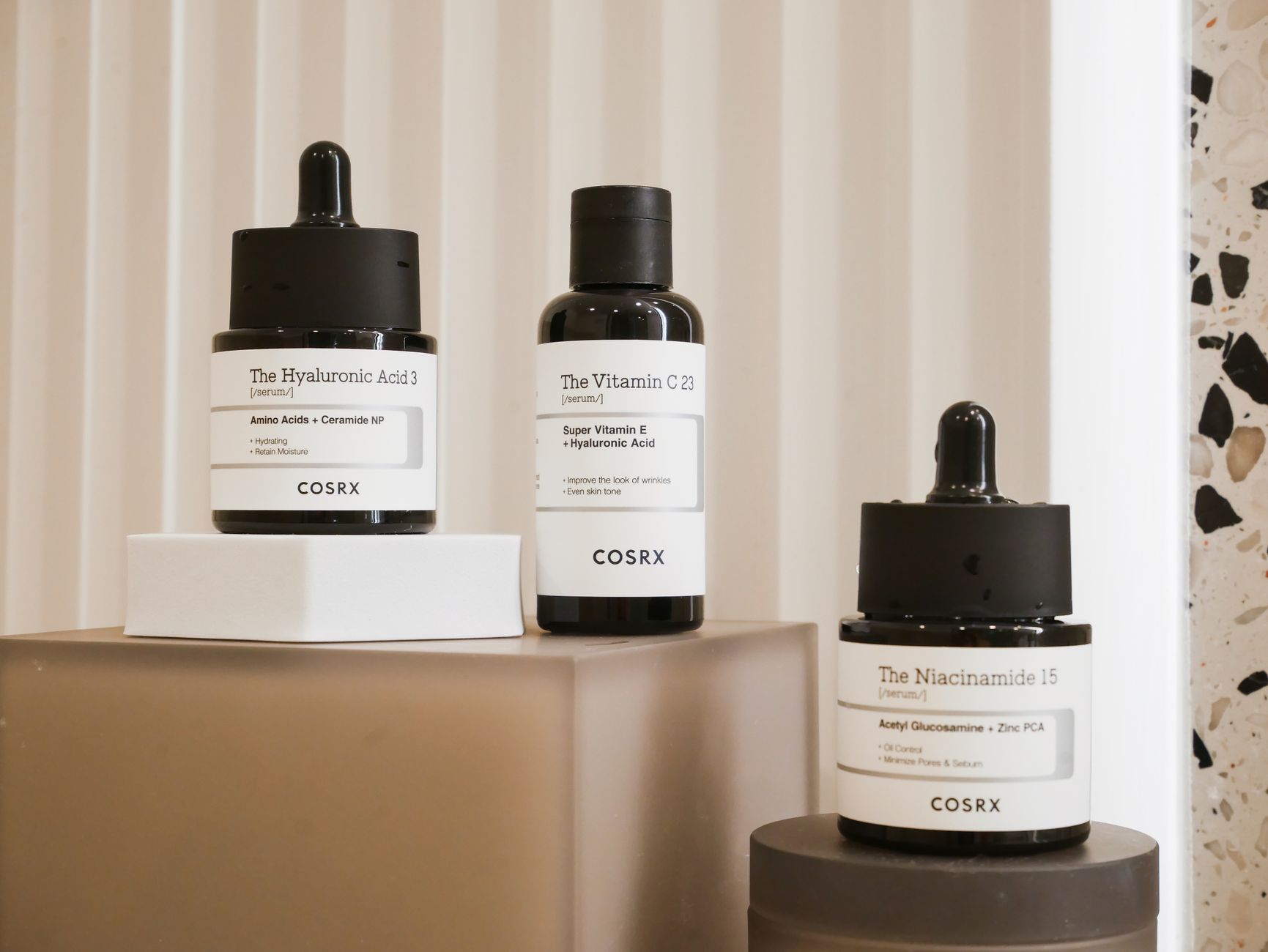
Vitamin C and Niacinamide: Can You Really Not Use Them Together?
Can you use vitamin C and niacinamide together? Learn what the science says about this popular skincare myth and how to layer them correctly.
Mineral vs. Chemical Sunscreen: Which Should You Choose?
Mineral vs chemical sunscreen: compare how each type works, safety, texture, and which is best for your skin type and lifestyle.
What Is Slugging? The Skincare Method Explained
Learn what slugging is, how this occlusive skincare method works, who should try it, and how to slug correctly without clogging pores.
Building a Skincare Routine for Rosacea-Prone Skin
Learn how to build a gentle, effective skincare routine for rosacea-prone skin, including ingredients to use, ingredients to avoid, and trigger management.