 Funky Millions
Skin Cycling Guide: The Complete Routine for Glowing Skin
Looking for a skin cycling guide? Learn how to rotate exfoliants, retinoids, and recovery nights for calmer, clearer, more radiant skin.

Quick summary
Key Takeaways
- Skin cycling is not about using more products. It is about using the right active ingredient on the right night and protecting your barrier on the nights in between.
- Skin cycling helps you stick with proven ingredients longer by reducing irritation and supporting barrier recovery.
- Skin cycling balances results and recovery, making it easier to use actives consistently without damaging your skin barrier.
- One active per night, two recovery nights, and daily SPF are the foundation of the classic skin cycling routine.
- Start slowly, introduce one active at a time, and adjust your recovery nights based on how your skin responds.
- Match each phase to one focused product group, and keep recovery-night formulas simple, hydrating, and fragrance-free.
- Adjust the frequency and strength of each phase to match your skin type and tolerance.
- Patience, sunscreen, and one active per night are the rules that keep skin cycling safe.
- Small adjustments, like buffering retinoids and choosing fragrance-free recovery products, make skin cycling much more comfortable.
- If you are pregnant, have a skin condition, or use prescription treatments, get medical guidance before starting skin cycling.
If your bathroom shelf is crowded with acids, retinoids, and serums but your skin still feels irritated, dull, or unpredictable, this skin cycling guide is for you. Skin cycling is a structured way to use active ingredients so you get the benefits without overwhelming your skin barrier.
The method was popularized by board-certified dermatologist Dr. Whitney Bowe, who noticed that many people were layering too many strong products every night. Instead of applying exfoliants and retinoids back-to-back, skin cycling assigns each active ingredient to a specific night and builds in recovery time. The result is a simpler routine that supports renewal, hydration, and long-term resilience.
In this guide, you will learn exactly how skin cycling works, who it helps, a step-by-step 4-night schedule, product recommendations, and the mistakes most beginners make. Whether you are new to actives or trying to repair an over-exfoliated complexion, this routine can help you build healthier, more radiant skin over time.
What Is Skin Cycling?
Skin cycling is a night-time scheduling strategy that rotates exfoliation, retinoid use, and recovery nights. Instead of using strong actives every evening, you use them on set days and give your skin time to recover in between.
The classic cycle is four nights long:
- Night 1: Exfoliation
- Night 2: Retinoid
- Night 3: Recovery
- Night 4: Recovery
- Then repeat
This rotation works with your skin’s biology. Exfoliation removes dead cells and clears pores. Retinoids increase cell turnover and support collagen production. Recovery nights let your skin barrier repair itself with hydrating and soothing ingredients.
Why Skin Cycling Matters
Your skin barrier is the outermost layer of the epidermis, called the stratum corneum. It is made of dead skin cells held together by lipids. When you use strong acids and retinoids too often, you can disrupt those lipids and cause redness, peeling, sensitivity, and breakouts.
Cycling gives the barrier time to rebuild. Research published in dermatology journals consistently shows that retinoids and chemical exfoliants are effective, but irritation is the most common reason people stop using them. By spacing active nights apart, you improve tolerability without sacrificing results.
Benefits of Skin Cycling
A well-planned skin cycling routine offers several advantages over an aggressive nightly approach.
1. Less Irritation
Exfoliants and retinoids both speed up cell turnover. Using them every night can push your skin past its tolerance. Recovery nights allow inflammation to settle.
2. Better Product Tolerance
When irritation is controlled, you are more likely to continue using the active ingredients long enough to see results. Most retinoid studies show visible improvement after 8 to 12 weeks of consistent use.
3. Clearer, Smoother Texture
Exfoliation smooths rough texture and helps prevent clogged pores. Retinoids refine skin over time. Recovery nights keep the surface calm and hydrated.
4. Simpler Routine
You do not need a ten-step regimen. Each night has one focus, which makes it easier to follow and less expensive.
5. Works for Most Skin Types
With small adjustments, skin cycling can suit oily, dry, combination, acne-prone, and mature skin.
The Classic 4-Night Skin Cycling Routine
This is the most common starting point. You can adjust the number of recovery nights based on how your skin responds.
Night 1: Exfoliation
After cleansing, apply a chemical exfoliant. Avoid physical scrubs, which can create micro-tears.
Common exfoliant types:
- AHA (glycolic, lactic, mandelic acid): good for texture, dullness, and dry skin.
- BHA (salicylic acid): oil-soluble, ideal for clogged pores and acne-prone skin.
- PHA (gluconolactone, lactobionic acid): gentler option for sensitive skin.
Wait 15 to 20 minutes, then apply a simple moisturizer. Do not layer a retinoid on the same night.
If you want more detail on acne-focused exfoliation, read our post on salicylic acid acne treatment.
Night 2: Retinoid
After cleansing and fully drying your skin, apply a pea-sized amount of retinoid to your entire face. Retinoids increase cell turnover, boost collagen, and help even skin tone.
Beginners should start with a low-percentage retinol or an over-the-counter adapalene gel. Apply moisturizer after if your skin is dry or sensitive.
Nights 3 and 4: Recovery
These are barrier-repair nights. Use a gentle cleanser, a hydrating serum, and a moisturizer with ceramides, niacinamide, peptides, or squalane. Avoid all actives.
Morning Routine (Every Day)
Your morning routine stays the same throughout the cycle:
- Gentle cleanser or rinse with water
- Antioxidant serum (optional), such as vitamin C
- Moisturizer
- Broad-spectrum SPF 30 or higher
Retinoids and exfoliants increase sun sensitivity, so daily sunscreen is non-negotiable.
| Night | Focus | Key Ingredients | What to Avoid |
|---|---|---|---|
| Night 1 | Exfoliation | AHA, BHA, PHA | Retinoids, other acids |
| Night 2 | Retinoid | Retinol, adapalene, tretinoin | Acids, benzoyl peroxide at same time |
| Night 3 | Recovery | Ceramides, niacinamide, hyaluronic acid | All actives |
| Night 4 | Recovery | Peptides, squalane, panthenol | All actives |
How to Start Skin Cycling Step by Step
Follow these steps to introduce skin cycling safely.
Step 1: Simplify Your Current Routine
Pause all other strong actives for one to two weeks. Use only a gentle cleanser, moisturizer, and sunscreen. This gives your skin a baseline.
Step 2: Patch Test New Products
Apply a small amount of any new exfoliant or retinoid behind your ear or along your jawline. Wait 24 to 48 hours to check for a reaction.
Step 3: Begin With One Active
Start with exfoliation on Night 1 only. Keep the rest of the week as recovery. Do this for one to two weeks.
Step 4: Add the Retinoid
Once your skin tolerates exfoliation, add the retinoid on Night 2. Use the sandwich method if you are sensitive: moisturizer, retinoid, moisturizer.
Step 5: Observe and Adjust
If you notice stinging, peeling, or redness, add an extra recovery night. If your skin feels fine, you can keep the 4-night cycle.
Step 6: Be Consistent
Results take time. Most people see smoother texture in 4 to 6 weeks and more visible changes in 8 to 12 weeks.
Choosing Products for Each Phase
The right product choices make skin cycling safer and more effective.
Exfoliation Night
Look for one well-formulated acid rather than layering several.
- Normal to dry skin: lactic acid or mandelic acid
- Oily or acne-prone skin: salicylic acid
- Sensitive skin: PHA or a low-percentage lactic acid
Avoid alcohol-heavy toners and harsh scrubs.
Retinoid Night
Start low and go slow.
- Beginners: 0.25% to 0.5% retinol or 0.1% adapalene gel
- Intermediate users: 0.5% to 1% retinol
- Experienced users or prescription: tretinoin under dermatologist guidance
Retinoids are well studied for collagen support and acne management. The American Academy of Dermatology explains how retinoids work and why they are a cornerstone of anti-aging and acne care: AAD: Retinoid and Retinols.
Recovery Night
Support barrier repair with these ingredients:
- Ceramides: restore the lipid barrier
- Niacinamide: soothes redness and supports barrier function
- Hyaluronic acid: draws moisture into the skin
- Peptides: support collagen signaling
- Squalane and panthenol: soften and calm
If you want a more complete glow-focused routine, our article on how to make your skin glow pairs well with recovery-night care.
Skin Cycling by Skin Type
You can customize the 4-night cycle based on your skin’s needs.
| Skin Type | Exfoliation Night | Retinoid Night | Recovery Nights | Notes |
|---|---|---|---|---|
| Normal | AHA or BHA | Standard retinol | 2 nights | Classic 4-night cycle works well |
| Oily / acne-prone | BHA (salicylic acid) | Adapalene or retinol | 2 nights | May tolerate cycle after 4 to 6 weeks |
| Dry / sensitive | PHA or skip | Low-dose retinol, buffered with moisturizer | 3 nights | Extend recovery if peeling occurs |
| Mature | AHA or PHA | Prescription retinoid or 0.5% retinol | 2 nights | Focus on hydration and sun protection |
For more general skin-care guidance, see our guide on how to get clear skin.
Common Skin Cycling Mistakes to Avoid
Even a simple routine can go wrong if you rush it. Here are the most common mistakes.
1. Using Too Many Actives at Once
The point of skin cycling is to separate exfoliation and retinoids. Do not layer acids and retinoids on the same night unless a dermatologist tells you to.
2. Skipping Sunscreen
Both exfoliants and retinoids make your skin more sensitive to UV damage. Daily sunscreen protects your results and prevents further damage.
3. Not Waiting for Skin to Dry
Applying retinoid to damp skin can increase penetration and irritation. Wait 10 to 20 minutes after cleansing.
4. Adding New Products Too Quickly
Introduce one active at a time. Changing three products at once makes it impossible to identify what is causing a reaction.
5. Giving Up Too Soon
Mild flaking or dryness in the first two weeks is common. If irritation is mild, extend recovery nights. Most people need 8 to 12 weeks to judge results.
Who Should Avoid or Modify Skin Cycling
Skin cycling is safe for many people, but some should be cautious.
- Pregnancy or breastfeeding: Avoid retinoids. You can still do a gentle exfoliation and recovery cycle with your provider’s approval.
- Eczema or rosacea: Use very mild PHAs, or skip exfoliation. Focus on barrier repair.
- Prescription treatments: If you use tretinoin, azelaic acid, or other prescriptions, ask your dermatologist before adding more actives.
- Active sunburn or broken skin: Wait until skin heals before restarting actives.
The Cleveland Clinic explains how chemical exfoliants and retinoids affect different skin conditions and when professional guidance is important: Cleveland Clinic: Chemical Peels.
These practical tips will help you get the most from your skin cycling routine.
Start With Fewer Recovery Nights, Then Adjust
If your skin is already used to retinoids, you may only need one recovery night. If you are new, two or three recovery nights may be necessary.
Use the Retinoid Sandwich Method
Apply moisturizer, then retinoid, then another layer of moisturizer. This buffers the retinoid and reduces dryness without blocking its effects.
Avoid Fragranced Products on Recovery Nights
Fragrances can irritate a compromised barrier. Choose fragrance-free cleansers and moisturizers during recovery phases.
Do Not Mix Benzoyl Peroxide With Retinoids
Benzoyl peroxide can oxidize and inactivate some retinoids. If you need it for acne, use it in the morning and your retinoid at night.
Listen to Your Skin Barrier
Signs of a healthy barrier include soft, supple skin without burning, tightness, or visible peeling. If those signs fade, add more recovery nights.
For simple, effective home-care ideas, check out beauty tips for face at home.
Conclusion
Skin cycling is one of the simplest ways to enjoy the benefits of exfoliation and retinoids without the redness, peeling, and confusion that often come with overuse. By assigning one active to each night and protecting your barrier on recovery nights, you give your skin the structure it needs to renew itself.
Start slowly, choose one quality product per phase, and never skip sunscreen. With patience, most people see smoother, clearer, and more radiant skin within a few weeks.
If you found this skin cycling guide helpful, share it with a friend who is trying to simplify their routine. Then explore more of our skin-care content, including 10 beauty tips for women and beauty tips without makeup, for more ways to look and feel your best.
Category: Skin Care
Tags: skin cycling guide, skin cycling routine, retinoid routine, chemical exfoliation, skin barrier repair, glowing skin, anti-aging skincare, beginner skincare routine
Disclaimer: This article is for informational purposes only and does not replace professional medical advice. If you have a skin condition, are pregnant, or use prescription treatments, consult a dermatologist before starting skin cycling.
Frequently Asked Questions
Last updated
This article is for informational purposes only and does not constitute medical advice. Consult a licensed dermatologist or healthcare provider before starting any new treatment.
Beauty & Hair Care Editor
Ilma is a beauty editor who specializes in breaking down cosmetic ingredients, skincare routines, and hair care practices. Her work focuses on evidence-based guidance readers can trust and apply.
Comments (0)
Be the first to comment.
Related Articles

Skin Cycling vs. Skin Stacking: Which Method Fits Your Skin?
Skin cycling vs skin stacking: compare these two popular active ingredient routines and learn which approach suits your skin type and goals.
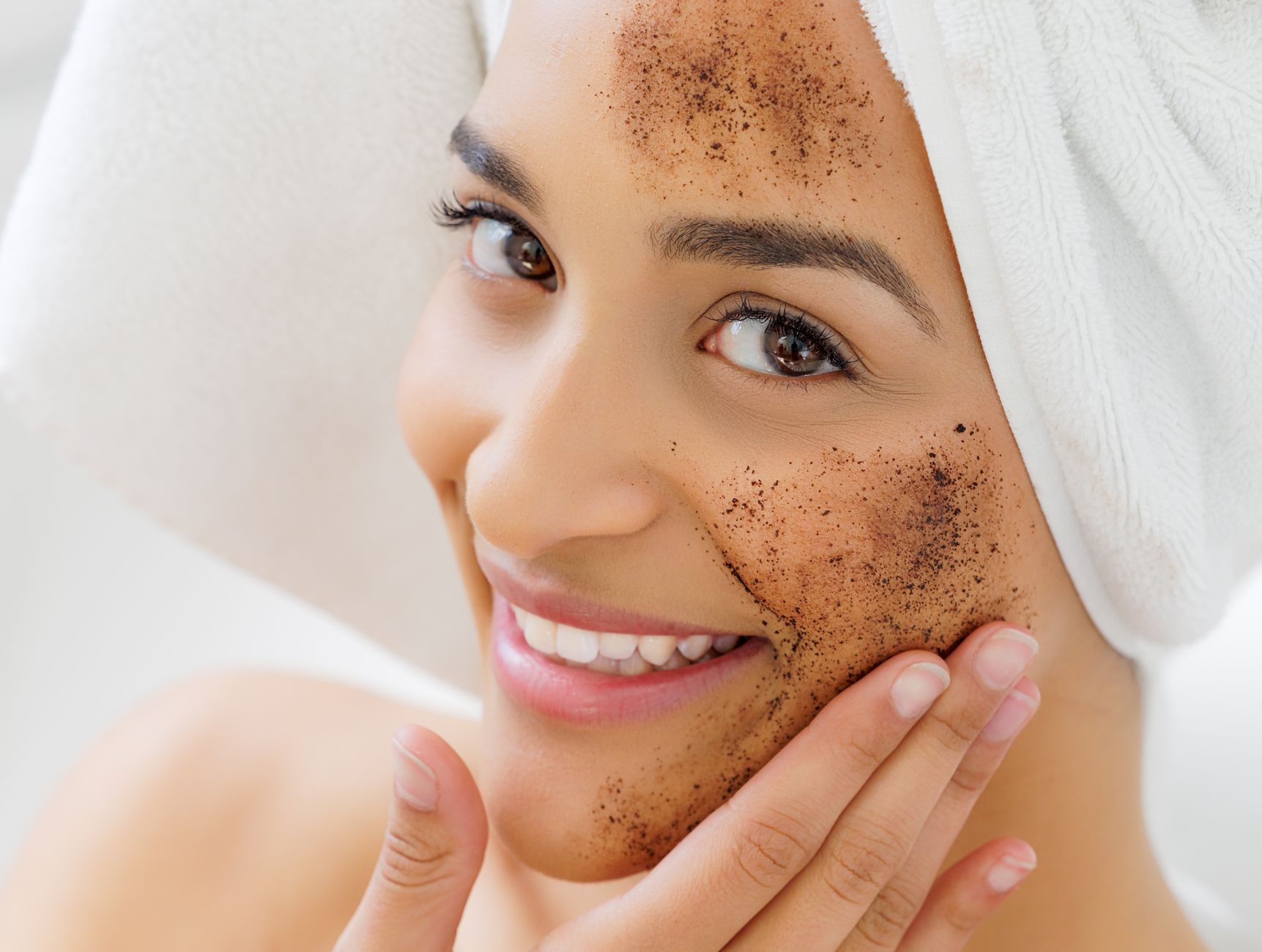
Exfoliating Toner vs. Physical Scrub: Which Is Gentler?
Exfoliating toner vs physical scrub: compare which method is gentler, more effective, and better suited to your skin type and concerns.
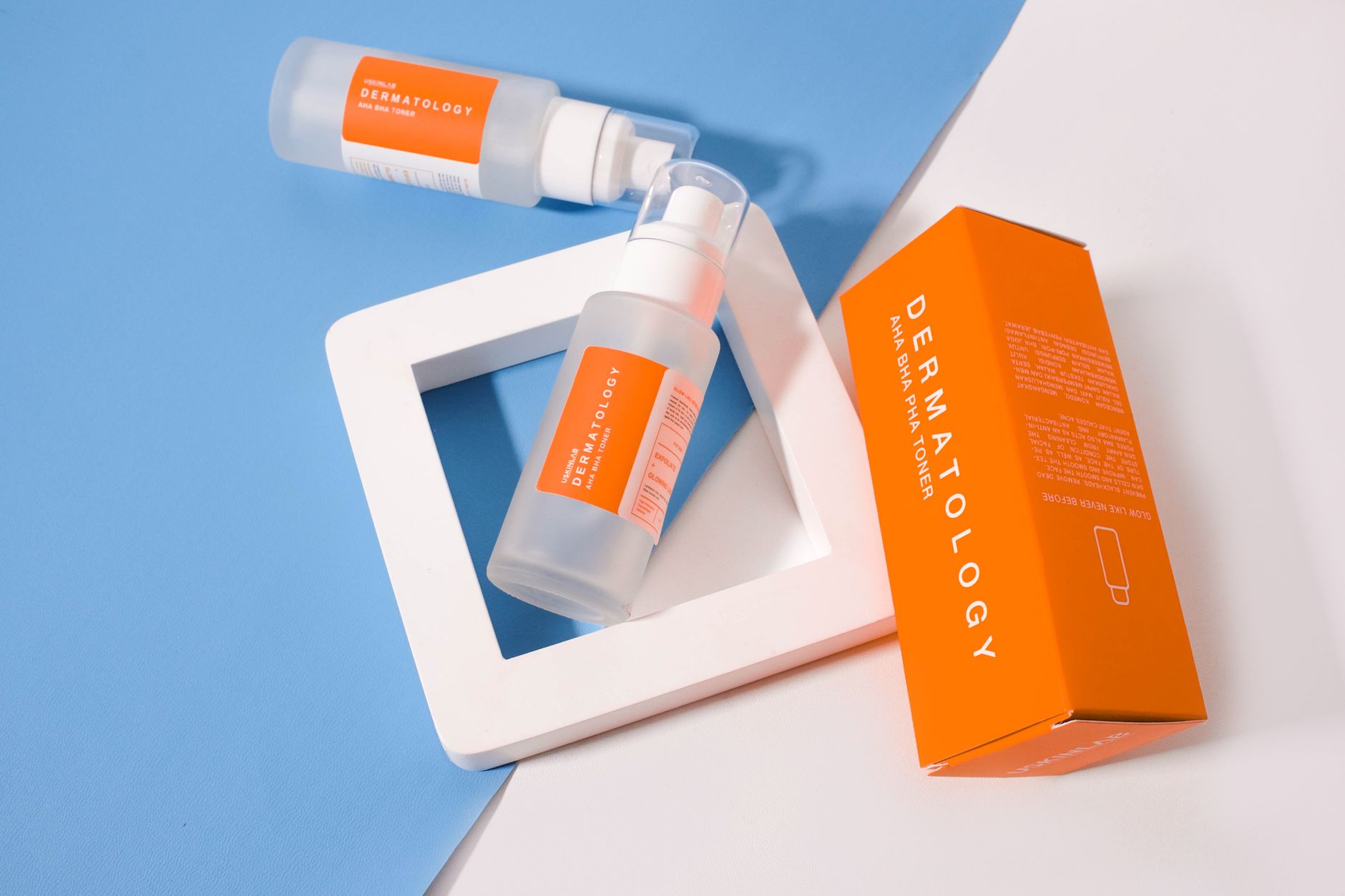
AHA vs BHA vs PHA: A Complete Exfoliation Guide
AHA vs BHA vs PHA explained: learn how each chemical exfoliant works, which is best for your skin type, and how to use them safely.
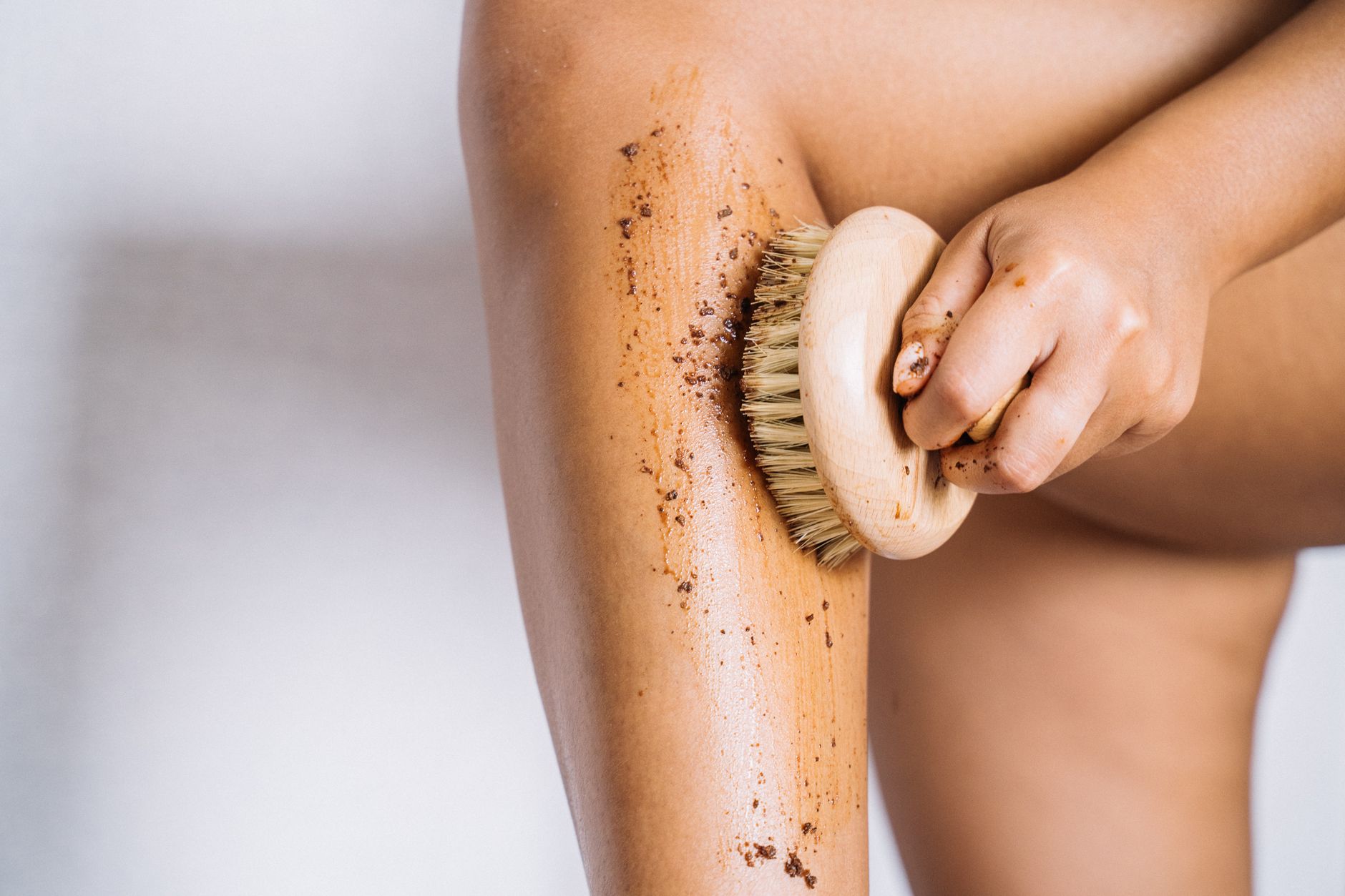
How to Exfoliate Body Skin Without Irritation
Learn how to exfoliate body skin safely and effectively, including the best physical and chemical methods, frequency, and mistakes to avoid.