 Funky Millions
Best Hairstyles for Thin Hair to Look Thicker
Discover flattering hairstyles for thin hair that create instant fullness. Learn expert cuts, styling tricks, and product tips to make fine strands look thicker today. *(155 characters)*
Quick summary
Key Takeaways
- Thin hair means finer strands and/or lower density. Understanding your hair type helps you choose cuts and styles that add visible volume rather than weighing hair down.
- The right hairstyle works like built-in volume. It redirects the eye, lifts the roots, and makes fine hair look denser without daily effort.
- Blunt lines, strategic layers, and root lift are the three secrets behind every volume-boosting hairstyle for thin hair.
- Volume starts in the shower and is locked in with the right drying technique, texture product, and flexible hold.
- Match your hairstyle to both your hair length and face shape to get the most flattering, volumizing result.
- Lightweight volumizing products and the right tools are essential partners to any haircut meant for thin hair.
- Avoid heavy products, over-layering, and root tension. Small changes in daily habits protect the volume you create.
- Volume lasts longer when you protect your hair at night, feed it from within, and keep ends trimmed.
If your strands feel fine, flat, or lacking in body, the right hairstyles for thin hair can completely change how full and healthy your hair looks. Thin hair is incredibly common, and while genetics play a big role, the cut, color, and styling choices you make have an even bigger impact on visible volume. The good news? You do not need extensions or expensive salon visits every month to create the illusion of thicker hair. With a few strategic hairstyles and styling techniques, you can add lift at the roots, movement through the lengths, and shape around your face.
In this guide, you will learn exactly what thin hair is, why certain hairstyles work better than others, and the best cuts and styles to make fine hair look thicker. You will also get a step-by-step styling routine, product recommendations, common mistakes to avoid, and expert tips you can use at home. Whether your hair is short, medium, or long, there is a flattering option here for you.
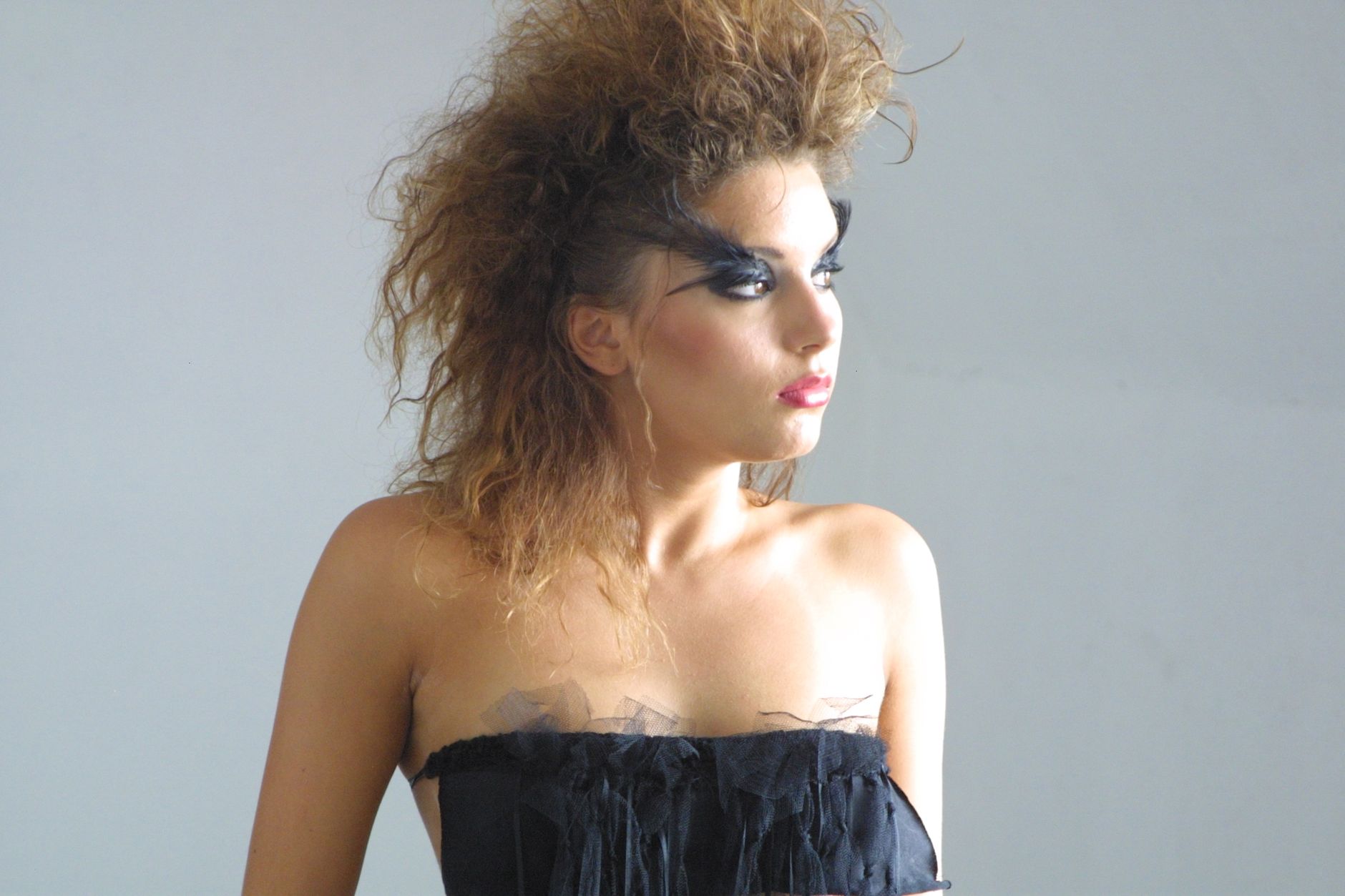 Suggested Pexels image:
- Search term: “woman voluminous lob hairstyle”
- File name:
hairstyles-thin-hair-voluminous-lob.jpg - Alt text: Woman wearing a voluminous lob, one of the best hairstyles for thin hair to look thicker.
- Title attribute: Hairstyles for thin hair voluminous lob
- Caption: A blunt lob with soft waves creates the illusion of thicker, fuller hair.
What Is Thin Hair?
Thin hair refers to strands that have a smaller diameter or to a scalp where the overall density of hair follicles is lower. It is different from thinning hair, which describes active hair loss or reduced hair count over time. You can have fine hair (small individual strands), low-density hair (fewer strands overall), or both.
The structure of fine hair includes a thinner cortex and cuticle layer compared to coarse hair. Because the strand is smaller, it weighs less and tends to lie flat against the scalp. Fine hair also becomes oily faster because each shaft has less surface area to absorb sebum, and natural oils can travel down the length more quickly. That oil can weigh hair down, making it look even thinner.
Hair thickness is largely determined by genetics, but age, hormones, nutrition, stress, and hair care habits also influence how full your hair appears. According to the American Academy of Dermatology, many forms of hair thinning are treatable once the cause is identified, so it is worth speaking with a dermatologist if you notice sudden or patchy loss.
Why the Right Hairstyles Matter for Fine Strands
Hairstyles are not just about fashion. For thin hair, the right style acts like an optical illusion. A well-chosen cut can create the appearance of density by removing excess bulk in the wrong places and adding lift, texture, and movement where you need it most.
Here is why hairstyle choice matters so much:
- Creates instant volume: Blunt ends, layers, and shorter lengths reduce the downward pull that flattens fine hair.
- Adds movement: Texture and waves make hair look more abundant because light reflects off multiple angles.
- Frames the face: Face-framing layers and bangs draw attention to your features and away from sparse areas.
- Supports styling longevity: A cut that suits fine hair holds volume longer and responds better to products.
- Boosts confidence: When your hair looks fuller, you feel more comfortable wearing it down and styling it yourself.
Best Hairstyles for Thin Hair to Look Thicker
These cuts and styles are consistently recommended by stylists for fine or low-density hair. Choose based on your length preference, face shape, and maintenance comfort level.
1. Pixie Cut with Choppy Layers
A pixie removes length and weight, which instantly makes fine hair look thicker. Choppy, piece-y layers add texture and prevent the cut from looking too flat. This style works especially well if you have strong cheekbones or an oval, heart, or square face shape.
2. Blunt Bob or Lob
A blunt cut creates the illusion of denser ends because all the hair falls at one level. A bob that hits at the chin or a lob (long bob) that grazes the collarbone is ideal. The sharp line makes hair look fuller than wispy, layered ends.
3. Long Layers with Face-Framing
If you prefer longer hair, ask for long layers that start below the chin. Short, choppy layers on fine hair can look stringy, but longer layers remove bulk while preserving length. Face-framing pieces add softness and dimension.
4. Side-Swept Bangs
Side-swept bangs add instant volume at the crown and create asymmetry, which makes hair look more dynamic. They also camouflage a thinning hairline or sparse temples. Avoid heavy blunt bangs, which can look sparse on fine hair.
5. Textured Shag
A modern shag with soft, feathered layers adds movement and volume. The layers are typically placed higher than in a traditional cut, which creates lift without removing too much density. Pair it with curtain bangs for a flattering finish.
6. Soft Waves and Curls
Straight, flat hair highlights every gap. Soft waves or loose curls add width and body, making hair appear fuller. Use a curling wand or large rollers, and always leave the ends slightly straight for a modern look.
7. High Ponytail or Top Knot
A high ponytail or top knot lifts the roots and creates the appearance of more hair at the crown. Gently tease the crown before securing, and pull out a few face-framing pieces for softness.
8. Half-Up Styles with Gentle Teasing
A half-up, half-down style keeps length visible while adding height at the crown. Backcomb gently at the roots before pinning the top section. This works for straight, wavy, or curled hair.
9. Asymmetrical Cut
An asymmetrical bob or lob creates visual weight on one side, which makes hair look fuller overall. The uneven line draws the eye and distracts from areas where hair may be thinner.
Step-by-Step: How to Style Thin Hair for Maximum Volume
Follow this routine to make any haircut look thicker.
Step 1: Wash and Prep
Use a volumizing shampoo and a lightweight conditioner only on the mid-lengths and ends. Heavy conditioners near the roots flatten fine hair. Apply a root-lifting mousse or spray to damp hair from roots to ends.
Step 2: Blow-Dry Upside Down
Flip your head forward and blow-dry with a diffuser or concentrator nozzle. This sets the roots in a lifted direction. When your hair is about 80% dry, flip back up and smooth with a round brush.
Step 3: Add Dry Texture
Once hair is fully dry, apply a dry texture spray or volumizing powder at the roots. These products create grip between strands, which makes hair feel fuller and hold style longer.
Step 4: Add Waves or Curls
Use a curling wand or flat iron to create soft waves. Alternate the direction of each section so the waves do not clump together. Leave the ends out for a modern, undone finish.
Step 5: Set with Velcro Rollers or Pins
For extra lift, set the crown in large Velcro rollers for 10-15 minutes after curling. Then remove, shake out, and finish with a lightweight, flexible-hold hairspray.
Step 6: Finish and Fluff
Use your fingers or a wide-tooth comb to gently lift the roots. Avoid over-brushing, which can deflate volume and cause static. A light mist of hairspray locks everything in place.
Comparison: Best Hairstyles by Hair Length and Face Shape
| Length | Best Styles | Best For | Why It Works |
|---|---|---|---|
| Short | Pixie, textured crop, asymmetrical bob | Oval, heart, square | Removes weight and exposes the neckline for a fuller shape |
| Medium | Blunt bob, lob, shag with curtain bangs | Round, oval, long | Blunt ends create density; layers add movement |
| Long | Long layers, soft waves, face-framing | Oval, long, diamond | Preserves length while adding lift and dimension |
| All | Side-swept bangs, high ponytail, half-up | All face shapes | Adds root volume and draws attention away from sparse areas |
Products and Tools That Help Thin Hair Look Thicker
The right products support your hairstyle instead of fighting against it. Look for lightweight formulas that add grip, lift, and texture.
- Volumizing mousse: Applied to damp hair, it swells the strands and provides hold at the root.
- Dry shampoo: Absorbs oil between washes and adds instant lift at the crown.
- Texturizing spray: Creates separation and matte fullness without stiffness.
- Root-lifting powder: Adds grit and volume directly at the scalp.
- Lightweight hairspray: Holds style without making hair crunchy or sticky.
- Round brush: A medium-sized ceramic or boar-bristle brush adds tension and smoothness while blow-drying.
- Curling wand or flat iron: Creates waves that make hair look denser.
- Velcro rollers: Set lifted roots for long-lasting volume with minimal heat.
For deep conditioning without weighing hair down, try a weekly coconut oil hair treatment focused only on the ends. If your hair is also damaged from heat or color, learn how to repair damaged hair before adding more styling stress.
Common Mistakes to Avoid
Even the best hairstyle can fall flat if you make these common errors.
- Over-conditioning the roots: Conditioner near the scalp weighs fine hair down and makes it greasy faster.
- Too many short layers: Choppy layers throughout can make thin hair look wispy or see-through.
- Skipping heat protection: Fine hair is more fragile. Always use a heat protectant before styling tools.
- Using heavy oils on the scalp: Thick oils can clog follicles and flatten roots.
- Brushing too much: Over-brushing separates strands and reduces volume.
- Ignoring scalp health: A healthy scalp supports stronger hair growth. If you notice flakes or buildup, read our guide on how to get rid of dandruff fast and naturally.
- Wearing hair the same way every day: Constant tension from tight ponytails can lead to breakage and thinning over time.
When to See a Dermatologist
Hairstyles can create the illusion of thickness, but they cannot treat underlying hair loss. If you notice sudden shedding, widening part lines, bald patches, or visible scalp where there was none before, consult a board-certified dermatologist. The Cleveland Clinic explains that conditions such as thyroid imbalance, anemia, and hormonal changes can cause hair thinning that needs medical treatment.
For women noticing ongoing thinning, it may help to understand the causes of hair loss in women so you can discuss specific concerns with your doctor.
Professional stylists agree that consistency matters more than perfection. Use these tips to keep thin hair looking thicker between salon visits.
- Get regular trims every 6-8 weeks. Split ends travel up fine strands quickly, making hair look thinner.
- Sleep on a silk pillowcase. It reduces friction and prevents flattening overnight.
- Change your part. Flipping your part to the opposite side lifts roots that have been trained flat.
- Use dry shampoo at night. It absorbs oil as you sleep and gives you more volume by morning.
- Massage your scalp regularly. Scalp massage increases circulation, which supports healthy follicles.
- Eat protein and iron-rich foods. Hair is made of keratin, a protein, and low iron can contribute to shedding.
- Limit tight hairstyles. Tension from tight buns or ponytails can cause traction alopecia over time.
If you are also working on length, our post on how to grow your hair faster shares habits that support stronger growth.
Conclusion
Thin hair does not mean you are stuck with flat, lifeless styles. The best hairstyles for thin hair to look thicker use blunt lines, smart layering, root lift, and texture to create the illusion of density. Pair the right cut with lightweight volumizing products, a gentle blow-drying routine, and healthy hair habits, and you will notice a visible difference.
If you found this guide helpful, share it with a friend who is also looking for fuller-looking hair. Then explore more of our hair care tips, including how to grow your hair faster, coconut oil hair treatment, and how to repair damaged hair.
Frequently Asked Questions
Last updated
This article is for informational purposes only and does not constitute medical advice. Consult a licensed dermatologist or healthcare provider before starting any new treatment.
Beauty & Hair Care Editor
Amanda Gurton is a beauty editor and researcher with a focus on translating dermatology and trichology insights into clear, actionable advice. She covers skincare routines, hair health, ingredient science, and everyday beauty habits.
Comments (0)
Be the first to comment.
Related Articles
Hair Density vs. Hair Thickness: What's the Difference?
Hair density vs hair thickness: learn the real difference between these two commonly confused terms and how to identify and care for both.
Scalp Buildup: Signs You Have It and How to Remove It
Learn the signs of scalp buildup, what causes it, and effective methods to safely remove product and oil buildup from your scalp.
How to Refresh Curls Between Washes: A Quick Guide
Learn how to refresh curls between washes with easy step-by-step methods, expert tips, product picks, and common mistakes to avoid for bouncy, defined curls.
How to Build an Efficient Wash Day Routine for Curly Hair
Learn how to build an efficient, effective wash day routine for curly hair, from pre-poo to styling, without spending your entire day on it.