 Funky Millions
Rice Water for Hair: Benefits and How to Make It
Discover rice water for hair benefits, how to make it at home, and the best ways to use it. Boost shine, strength, and growth naturally.
Quick summary
Key Takeaways
- Rice water is the starchy, nutrient-rich liquid left after soaking or cooking rice. It contains inositol, amino acids, vitamins, and minerals that can support stronger, shinier hair.
- Rice water can strengthen strands, add shine, improve elasticity, soothe the scalp, help with detangling, and support length retention by reducing breakage.
- Early research supports rice water's ability to reduce friction and improve elasticity, but it is not a proven treatment for medical hair loss.
- You can make rice water by soaking, boiling, or fermenting rice. Soaking is fastest, boiling is more concentrated, and fermentation may create additional nutrients but has a stronger smell.
- Apply rice water to clean, damp hair, leave it on for 10 to 20 minutes, then rinse. Use it once or twice a week for most hair types.
- Avoid overuse, rinse thoroughly, patch test first, apply to clean hair, and use lukewarm or cool water for best results.
- Commercial products with hydrolyzed rice protein or rice bran extract can offer similar benefits if you prefer not to make rice water at home.
If you are searching for a simple, affordable way to improve your hair, rice water for hair care is one of the oldest beauty secrets still trusted today. For centuries, women in Japan, China, and Southeast Asia have used the starchy liquid left after rinsing or boiling rice to keep their hair long, strong, and shiny. Today, this home remedy is trending again on social media and in clean-beauty circles because it is easy to make, gentle, and packed with nutrients that hair loves.
In this guide, you will learn exactly what rice water is, why it works, how to make it safely at home, and the best ways to add it to your routine. We will also cover common mistakes, expert tips, and answer the most frequently asked questions so you can decide if rice water deserves a spot in your hair care shelf.
What Is Rice Water?
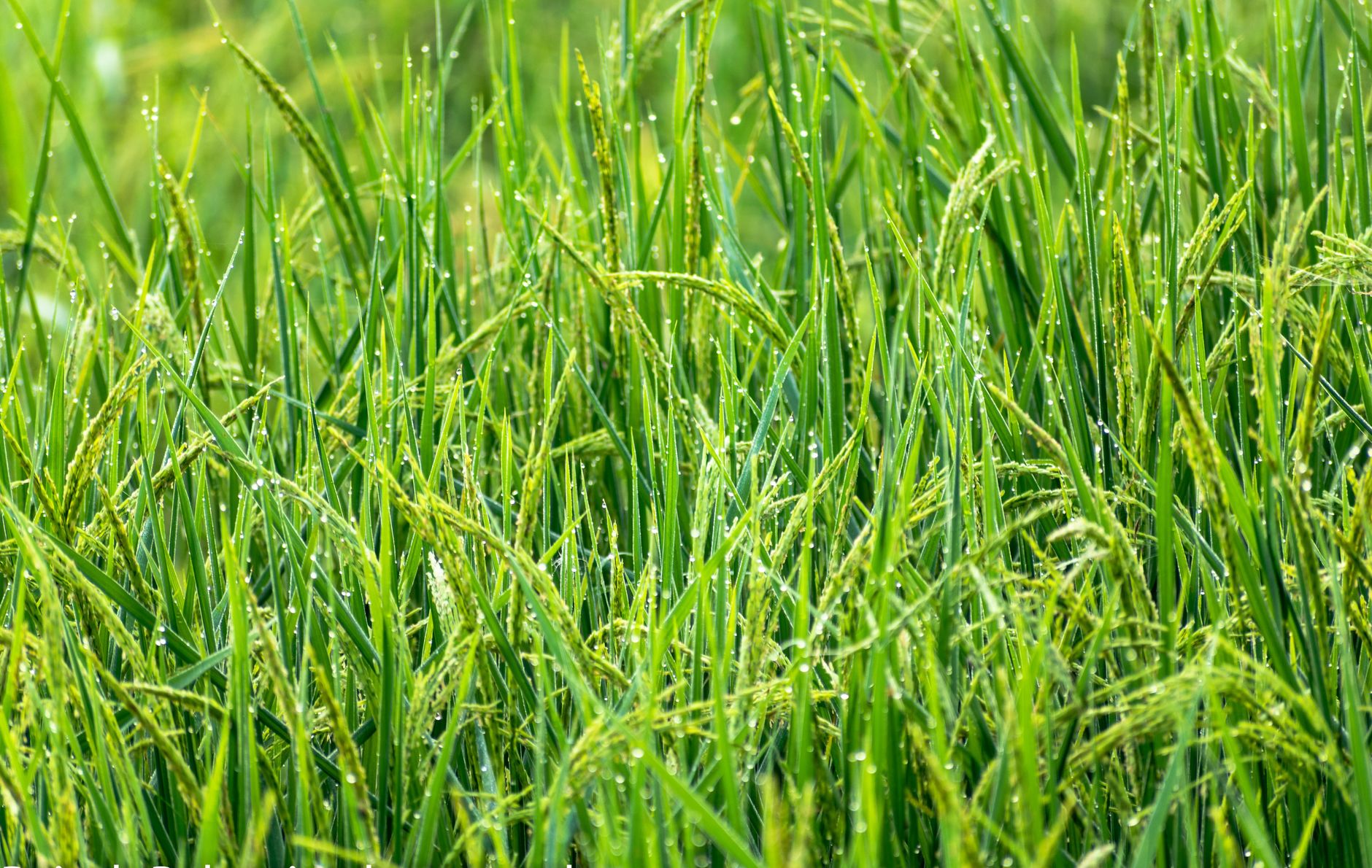
Rice water is the cloudy liquid that remains after rice has been soaked, boiled, or rinsed. It looks like a thin, milky soup and contains vitamins, minerals, amino acids, and antioxidants that are naturally present in rice grains.
The key nutrients believed to support hair health include:
- Inositol: a carbohydrate that may help repair damaged hair and reduce friction.
- Amino acids: the building blocks of protein, which help strengthen hair strands.
- Vitamins B and E: support scalp health and add shine.
- Minerals such as magnesium and zinc: help maintain a balanced scalp environment.
- Antioxidants: protect hair from environmental stress.
Modern hair products sometimes include hydrolyzed rice protein or rice bran extract, but many people prefer plain homemade rice water because it is free of synthetic preservatives and fragrances.
Benefits of Rice Water for Hair
Using rice water for hair is popular because it offers several potential benefits with very little cost. While more large-scale clinical research is needed, the nutrients in rice water have properties that are well understood by cosmetic scientists and dermatologists.
1. Strengthens Hair Strands
Hair is made mostly of keratin, a protein. Rice water contains amino acids that can penetrate the hair shaft and help rebuild weak areas. With regular use, many people notice less breakage when combing or styling.
2. Adds Natural Shine
The starches in rice water smooth the outer layer of the hair, called the cuticle. When the cuticle lies flat, light reflects better and hair looks glossier without heavy silicones.
3. Improves Elasticity
Healthy hair stretches slightly and returns to its original length without snapping. Inositol in rice water is thought to improve this elasticity, which may reduce split ends over time.
4. Soothes the Scalp
A calm, balanced scalp is the foundation of healthy hair. Rice water has a mild, slightly acidic pH that can help restore balance after harsh shampoos or hard water exposure.
5. Supports Detangling
The slippery texture of rice water makes it easier to work a comb through damp hair. This reduces mechanical damage, especially for curly or textured hair types.
6. May Support Hair Growth
Rice water will not change your genetic hair-growth rate, but it can create a healthier environment for growth. Less breakage means you keep more length, which makes hair appear to grow faster.
Does Science Back Rice Water for Hair?
The most famous historical evidence comes from the Heian period in Japan, where court ladies were said to have floor-length hair maintained with rice water, known as Yu-Su-Ru. Their long, healthy hair was attributed to this fermented rinse.
In modern research, a 2010 study published in the International Journal of Cosmetic Science found that rice water reduced surface friction and increased hair elasticity. The researchers linked these effects mainly to inositol, which remained on the hair even after rinsing.
However, most studies have been small or conducted in vitro. Dermatologists generally agree that rice water is safe for most people, but they caution that it is not a miracle cure for hair loss or severe scalp conditions. If you have persistent hair thinning or scalp inflammation, it is wise to consult a board-certified dermatologist.
How to Make Rice Water for Hair at Home
There are three main ways to prepare rice water: plain/soaking method, boiling method, and fermented method. Each has its own fans, and you can choose the one that fits your schedule and hair needs.
Ingredients You Will Need
- 1/2 cup uncooked rice (white, jasmine, basmati, or organic brown rice)
- 2 to 3 cups clean water
- A glass bowl or jar
- A fine mesh strainer
- Optional: a few drops of essential oil for fragrance
Method 1: Soaking (Fastest)
- Rinse the rice briefly to remove dirt and impurities.
- Place the rinsed rice in a bowl and add 2 cups of water.
- Let it soak for 30 minutes at room temperature.
- Stir the mixture once or twice.
- Strain the rice and collect the liquid in a clean jar.
- Use immediately or store in the refrigerator for up to 5 days.
Method 2: Boiling (More Concentrated)
- Rinse 1/2 cup of rice.
- Add the rice to 2 cups of boiling water.
- Cook until the grains are soft, about 10 to 15 minutes.
- Strain the liquid and let it cool to room temperature.
- Dilute with extra water if the mixture feels too thick.
- Store in the refrigerator for up to 1 week.
Method 3: Fermented (Strongest)
- Prepare rice water using the soaking method.
- Leave the strained liquid at room temperature for 24 to 48 hours.
- Wait until it smells slightly sour; this means fermentation has begun.
- Dilute with 1 to 2 cups of water before use.
- Apply to hair and scalp.
- Store any leftover fermented rice water in the refrigerator for up to 1 week.
How to Use Rice Water on Your Hair
Using rice water correctly is just as important as making it. Follow these steps for the best results.
Step-by-Step Routine
- Shampoo your hair as usual to remove product buildup and excess oil.
- Pour or spray rice water onto your scalp and hair, working from roots to ends.
- Massage your scalp gently for 2 to 3 minutes to improve circulation.
- Cover your hair with a shower cap and let the rice water sit for 10 to 20 minutes.
- Rinse thoroughly with cool or lukewarm water.
- Condition the ends if your hair feels dry or stiff.
- Style as usual and enjoy the added shine.
How Often Should You Use It?
Most people benefit from using rice water once or twice a week. If your hair is protein-sensitive, start with once every two weeks and adjust based on how your hair responds.
Pro Application Tips
- Use a spray bottle for even distribution on the scalp.
- Focus on the scalp if your goal is scalp health; focus on the lengths if you want shine and strength.
- Always do a patch test on a small section of scalp before your first full application.
Plain vs. Fermented Rice Water: Which Should You Choose?
| Feature | Plain Rice Water | Fermented Rice Water |
|---|---|---|
| Preparation time | 30 minutes | 24 to 48 hours |
| pH level | Neutral to slightly acidic | More acidic |
| Smell | Mild, neutral | Slightly sour |
| Nutrient profile | Standard | Higher in antioxidants and enzymes |
| Best for | Beginners, sensitive scalps | Those seeking stronger conditioning |
| Storage life | Up to 5 days refrigerated | Up to 1 week refrigerated |
If you are new to rice water for hair, start with the plain soaking method. Once you know your hair tolerates it well, you can experiment with fermented rice water for a deeper treatment.
Common Mistakes to Avoid
Rice water is simple, but a few mistakes can leave your hair feeling stiff or irritated. Avoid these pitfalls for the best experience.
1. Using It Too Often
Overuse can lead to protein overload, especially if your hair is low-porosity or fine. Signs include dryness, brittleness, and a straw-like texture. Stick to once or twice a week.
2. Not Rinsing Thoroughly
Leftover starch can make hair feel heavy or look dull. Always rinse well after treatment.
3. Skipping the Patch Test
Some people are sensitive to fermented rice water. Test a small area of your scalp 24 hours before a full application.
4. Applying to Dirty Hair
Rice water works best on clean hair. Product buildup can block the nutrients from reaching your strands.
5. Using Hot Water to Rinse
Very hot water can strip natural oils and make rice water residue harder to remove. Use lukewarm or cool water instead.
Who Should Avoid Rice Water?
Rice water is safe for most people, but it is not for everyone. You may want to skip it or use it less often if:
- You have a rice or grain allergy.
- Your scalp is sunburned, wounded, or inflamed.
- You have protein-sensitive hair that becomes stiff easily.
- You have a scalp condition such as seborrheic dermatitis that is not well controlled.
When in doubt, ask a dermatologist before adding a new treatment to your routine.
Product and Ingredient Recommendations
If DIY is not your style, several commercial products contain rice water or rice-derived ingredients. Look for these on the label:
- Hydrolyzed rice protein
- Rice bran extract
- Rice ferment filtrate
- Oryza sativa extract
These ingredients are often found in shampoos, conditioners, and leave-in sprays marketed for strength and shine. For a natural boost, you can also combine rice water with a small amount of coconut oil hair treatment for extra moisture.
Dermatologists and hair care professionals offer a few extra tips to get the most from rice water for hair treatments.
- Choose organic rice when possible to reduce exposure to pesticides.
- Dilute fermented rice water with plain water if you notice irritation.
- Follow with conditioner to keep hair soft, especially if your hair is dry or curly.
- Combine with gentle scalp massage to support healthy blood flow.
- Track your results with photos every few weeks to see what changes.
- Pair rice water with a balanced hair care routine that includes regular trims and protective styling.
For more ways to keep your hair looking its best, check out our guide on how to repair damaged hair and these simple tricks for how to grow your hair faster.
Conclusion
Rice water for hair is an affordable, easy-to-make treatment that has earned its place in beauty routines around the world. Whether you choose the quick soaking method, a concentrated boiled version, or a fermented rinse, the nutrients in rice water can help strengthen your strands, add shine, and support a healthier scalp.
Remember to start slowly, patch test, and listen to your hair. Pair your rice water treatments with a gentle routine, regular conditioning, and smart styling for the best long-term results.
If you enjoyed this guide, please share it with a friend or explore more of our hair care tips. You may also like our posts on how to get rid of dandruff fast and naturally, causes of hair loss in women, and how to repair damaged hair.
Category: Hair Care
Tags: rice water for hair, hair growth, natural hair care, DIY hair treatment, hair strength, shiny hair, home remedies for hair, fermented rice water
External References:
Frequently Asked Questions
References
Last updated
This article is for informational purposes only and does not constitute medical advice. Consult a licensed dermatologist or healthcare provider before starting any new treatment.
Beauty & Hair Care Editor
Amanda Gurton is a beauty editor and researcher with a focus on translating dermatology and trichology insights into clear, actionable advice. She covers skincare routines, hair health, ingredient science, and everyday beauty habits.
Comments (0)
Be the first to comment.
Related Articles
Best Hair Growth Ingredients for Thicker, Healthier Hair
Discover the best hair growth ingredients backed by science. Learn how biotin, minoxidil, rosemary oil, and more can boost thickness and reduce shedding.
Scalp Exfoliation Benefits: How to Do It Safely at Home
Discover scalp exfoliation benefits, how to exfoliate your scalp safely, and expert tips for healthier, fuller-looking hair. A complete guide for all hair types.
Best Oils for Hair Growth and How to Use Them
Looking for the best oils for hair growth? Learn which carrier and essential oils support scalp health, reduce breakage, and how to use them safely at home.

Protective Hairstyles That Prevent Heat and Manipulation Damage
Discover protective hairstyles that reduce heat and manipulation damage, plus tips for maintaining hair health while wearing them.