 Funky Millions
Antioxidant Serums Explained: Vitamin C, E, Ferulic Acid, and More
Learn how antioxidant serums work, the differences between vitamin C, E, ferulic acid, and other antioxidants, and how to choose and layer them.
Quick summary
Key Takeaways
- Antioxidants neutralize free radical damage from UV exposure and pollution, supporting the skin's natural defenses against premature aging.
- Vitamin C is the most researched topical antioxidant, offering both protective and brightening benefits, especially when used in the morning under sunscreen.
- Vitamin E is a fat-soluble antioxidant that protects cell membranes and works synergistically with vitamin C when combined.
- Ferulic acid enhances and stabilizes vitamin C and E, making the combination more effective and longer-lasting than any single ingredient alone.
- Combining complementary antioxidants often provides greater protection than any single ingredient used alone, due to how they regenerate and stabilize one another.
- Dietary and topical antioxidants work through complementary pathways, with topical application providing a more concentrated, targeted dose directly to the skin than diet alone can achieve.
- Antioxidant serums work best applied to clean skin in the morning, layered under moisturizer and sunscreen, and stored away from light and heat.
- Matching antioxidant choice to your primary skin concern, brightening, comprehensive protection, or gentle inflammation support, can improve results compared to choosing based on popularity alone.
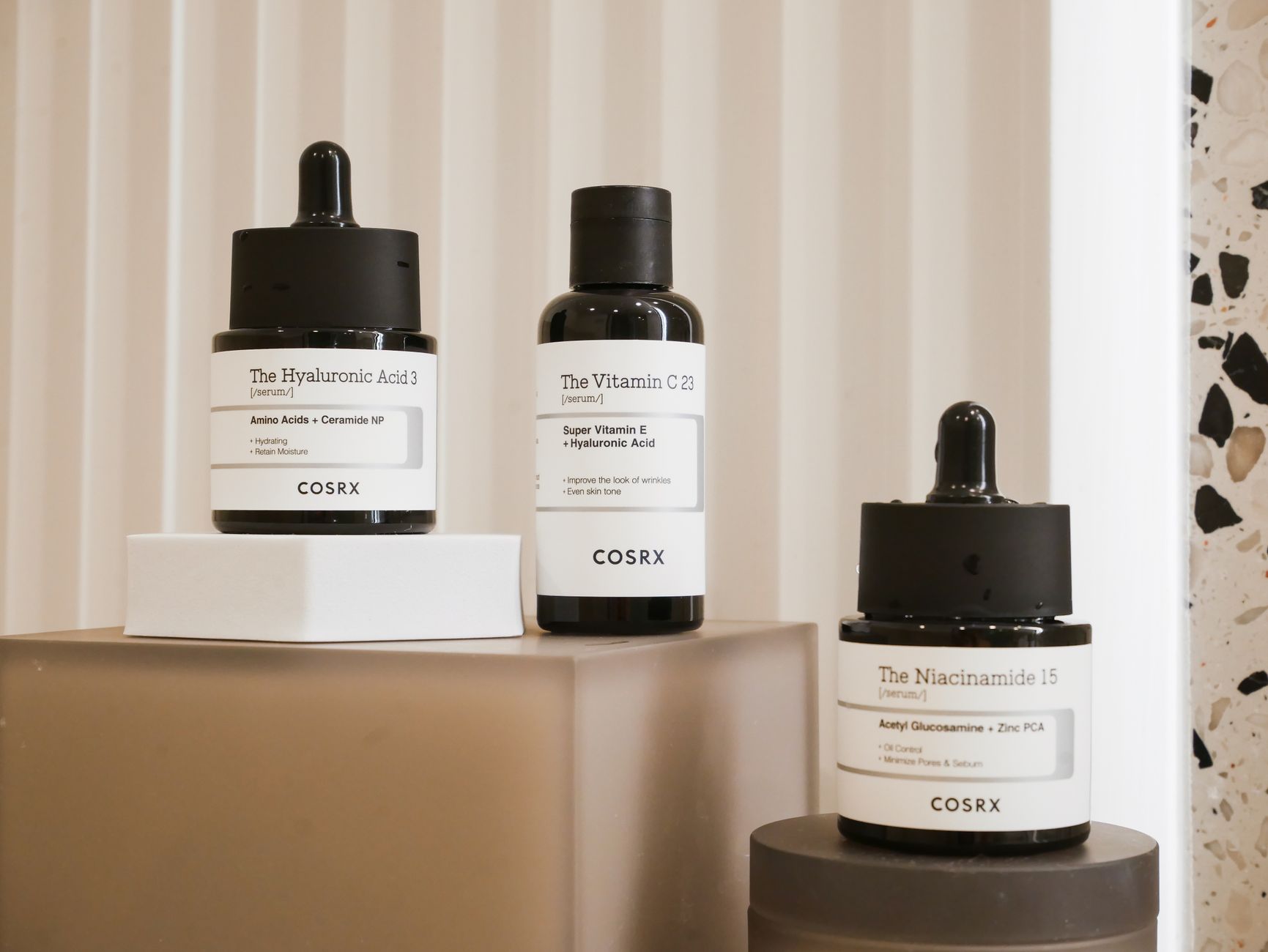
Antioxidant serums have become a skincare staple, but the category covers a wide range of ingredients that work in different ways, at different strengths, and for different purposes. Understanding the differences between the most common antioxidants, vitamin C, vitamin E, ferulic acid, resveratrol, and others, can help you choose the right serum for your specific skin goals rather than assuming all antioxidant products are interchangeable.
What Antioxidants Actually Do for Skin
Antioxidants work by neutralizing free radicals, unstable molecules generated by UV exposure, pollution, and normal cellular processes, that can damage skin cells, collagen, and DNA over time. This oxidative damage contributes to premature aging, dullness, and uneven tone. Topical antioxidants supplement the skin's own antioxidant defenses, which can become depleted with age and environmental exposure, helping protect against and, in some cases, partially repair this cumulative damage.
Vitamin C: The Most Popular Antioxidant
Vitamin C, particularly as L-ascorbic acid, is the most extensively researched topical antioxidant, with decades of clinical evidence supporting its ability to neutralize free radicals, support collagen synthesis, and brighten skin tone. It is most effective in the morning, worn under sunscreen, to provide an extra layer of defense against daily UV and pollution exposure. Our guide on vitamin C serum for beginners covers how to introduce this ingredient effectively.
Vitamin E and Its Role
Vitamin E (tocopherol) is a fat-soluble antioxidant that works differently from water-soluble vitamin C, integrating into the skin's lipid layers to protect cell membranes from oxidative damage. It is often included alongside vitamin C in combination formulas, since the two work through complementary mechanisms and vitamin E has been shown to help stabilize and enhance vitamin C's effectiveness. Vitamin E also has some inherent moisturizing properties due to its fat-soluble nature.
Ferulic Acid: The Stabilizer
Ferulic acid is a plant-derived antioxidant most commonly used not as a standalone product but as a stabilizing partner in vitamin C and E formulations. Research has shown that combining vitamin C, vitamin E, and ferulic acid together significantly increases photoprotection compared to using vitamin C alone, and ferulic acid helps stabilize the notoriously unstable vitamin C molecule, extending the product's shelf life and effectiveness.
Resveratrol and Other Plant-Based Antioxidants
Resveratrol, found in grapes and red wine, is a polyphenol antioxidant with growing research support for its skin benefits, including protection against UV-induced damage and some anti-inflammatory properties. Other plant-based antioxidants commonly found in skincare include:
- Green tea extract (EGCG), with anti-inflammatory and antioxidant properties
- Niacinamide, which has some antioxidant activity in addition to its other benefits
- Coenzyme Q10, which supports cellular energy production and has antioxidant properties
- Astaxanthin, a particularly potent antioxidant derived from algae
Our guide on green tea extract for skin covers one of these plant-based options in more depth.
Niacinamide's Antioxidant Properties
While niacinamide is more commonly discussed for its barrier-supporting and oil-regulating benefits, it also has documented antioxidant properties, helping protect skin cells from oxidative stress. This dual functionality is part of why niacinamide pairs so well with more dedicated antioxidants like vitamin C, addressing multiple concerns simultaneously without conflicting mechanisms. Our guide on niacinamide benefits for skin covers its full range of benefits.
Antioxidant Comparison Table
| Antioxidant | Type | Primary Benefit | Best Used |
|---|---|---|---|
| Vitamin C (L-ascorbic acid) | Water-soluble | Brightening, collagen support, UV defense | Morning |
| Vitamin E | Fat-soluble | Cell membrane protection, stabilizes vitamin C | Morning or night |
| Ferulic acid | Plant-derived | Stabilizes and enhances vitamin C/E | Combined with vitamin C/E |
| Resveratrol | Polyphenol | UV protection, anti-inflammatory | Morning or night |
| Green tea extract | Polyphenol | Anti-inflammatory, antioxidant | Morning or night |
| Niacinamide | Vitamin B3 | Barrier support plus antioxidant activity | Morning and/or night |
Why Antioxidants Are Often Combined
Antioxidants frequently work better together than alone, since they can regenerate and stabilize each other after neutralizing free radicals, extending their overall protective effect. The vitamin C, E, and ferulic acid combination is the most well-researched example of this synergy, but other combinations, such as vitamin C with ferulic acid and green tea extract, are increasingly common in modern formulations for similar reasons.
Antioxidants From Diet vs. Topical Application
A common question is whether eating antioxidant-rich foods provides the same skin benefits as applying antioxidants topically, and the honest answer is that they work through related but distinct pathways, making them complementary rather than interchangeable.
Dietary antioxidants, from foods like berries, leafy greens, and colorful vegetables, support the body's overall systemic antioxidant capacity, which does have some documented benefit for skin health as part of general wellness. However, the concentration of antioxidants that actually reaches the skin through diet is typically much lower and less targeted than what a well-formulated topical serum can deliver directly to the skin's surface and upper layers.
Topical application allows for a much higher, more concentrated dose delivered exactly where protection is needed, which is why skincare formulations can achieve antioxidant concentrations far beyond what would be practical or even safe to obtain through diet alone. This is not to diminish the value of an antioxidant-rich diet, general research continues to support its role in overall health, but it explains why topical antioxidant serums have become a distinct and well-supported category within skincare rather than being considered redundant with a healthy diet.
How to Choose an Antioxidant Serum
- For proven, research-backed results: prioritize vitamin C, ideally combined with vitamin E and ferulic acid
- For sensitive skin that reacts to vitamin C: consider gentler options like niacinamide or green tea extract
- For an added anti-inflammatory boost: look for resveratrol or green tea extract alongside your primary antioxidant
- For stability and shelf life: choose formulas in opaque, airtight packaging, and check for ferulic acid as a stabilizing ingredient if vitamin C is the primary active
How to Use Antioxidant Serums Correctly
Step 1: Apply After Cleansing
Antioxidant serums are typically applied to clean skin, before moisturizer.
Step 2: Use in the Morning for Daily Protection
While antioxidants can be used at any time, morning application under sunscreen maximizes their protective role against daily environmental exposure.
Step 3: Follow With Moisturizer and Sunscreen
Antioxidants complement, but do not replace, sunscreen. Always follow with broad-spectrum SPF for complete protection.
Step 4: Store Properly
Many antioxidants, particularly vitamin C, degrade with light and air exposure. Store in a cool, dark place and replace if the product changes color or smell.
Antioxidants for Different Skin Concerns
While all antioxidants share the core function of neutralizing free radicals, choosing one aligned with your specific skin concern can improve results beyond simply picking whichever product is most popular.
For dullness and uneven tone, vitamin C remains the strongest choice due to its dual role as both an antioxidant and a tyrosinase inhibitor, meaning it directly interferes with excess melanin production in addition to its protective function. For those primarily concerned with visible signs of environmental damage, such as skin exposed to significant pollution or frequent air travel, a combination formula featuring vitamin C, E, and ferulic acid offers the most comprehensive, well-studied protection available.
For inflammation-prone or reactive skin, green tea extract and niacinamide tend to offer a gentler entry point into antioxidant skincare, providing meaningful protective benefits with a lower likelihood of the stinging or irritation that higher-concentration vitamin C can sometimes cause in sensitive individuals. For those specifically interested in newer research areas, resveratrol and astaxanthin represent some of the most potent antioxidants currently being studied, though the body of clinical evidence behind them remains smaller than that supporting vitamin C.
Common Mistakes to Avoid
Using an Oxidized Vitamin C Product
Vitamin C that has turned dark yellow, orange, or brown has oxidized and lost much of its effectiveness, and can potentially be more irritating. Replace oxidized products rather than continuing to use them.
Skipping Sunscreen Because You Use Antioxidants
Antioxidants supplement, but do not replace, the protection sunscreen provides. Skipping SPF leaves skin vulnerable regardless of antioxidant use.
Assuming All Antioxidants Work Identically
Different antioxidants have different mechanisms and strengths. Choosing based on marketing alone, rather than understanding what each ingredient actually does, can lead to mismatched expectations.
Storing Antioxidant Serums Improperly
Leaving vitamin C serum on a sunny windowsill or in a hot car can degrade the product significantly faster than proper storage.
- Look for stabilized formulations, particularly for vitamin C, which is notoriously prone to oxidation.
- Be patient. Antioxidant benefits, particularly brightening and tone-evening effects, typically take 8 to 12 weeks of consistent use to become visible.
- Combine complementary antioxidants for enhanced protection, following established combinations like vitamin C, E, and ferulic acid.
- Replace products that have oxidized, even if the bottle is not empty, since effectiveness diminishes significantly once oxidation occurs.
Conclusion
Antioxidant serums encompass a wide range of ingredients, from the extensively researched vitamin C to newer plant-based options like resveratrol, each offering slightly different benefits and mechanisms. Vitamin C, especially when stabilized with vitamin E and ferulic acid, remains the gold standard for proven results, while gentler options like niacinamide and green tea extract offer alternatives for more sensitive skin. Understanding these differences helps you choose and layer antioxidants effectively rather than treating the category as one-size-fits-all.
For more on getting started with the most popular antioxidant, see our guide on vitamin C serum for beginners.
Category: Skin Care
Tags: antioxidant serum, vitamin C, vitamin E, ferulic acid, resveratrol, green tea extract, free radical damage, skin protection, anti-aging serum, skincare ingredients
Frequently Asked Questions
References
This article is for informational purposes only and does not constitute medical advice. Consult a licensed dermatologist or healthcare provider before starting any new treatment.
Beauty & Hair Care Editor
Ilma is a beauty editor who specializes in breaking down cosmetic ingredients, skincare routines, and hair care practices. Her work focuses on evidence-based guidance readers can trust and apply.
Comments (0)
Be the first to comment.
Related Articles
Vitamin C and Niacinamide: Can You Really Not Use Them Together?
Can you use vitamin C and niacinamide together? Learn what the science says about this popular skincare myth and how to layer them correctly.
Skincare Ingredients You Should Never Mix Together
Learn which skincare ingredient combinations to avoid, why they conflict, and how to layer active ingredients safely instead.
Polyglutamic Acid vs. Hyaluronic Acid: Which Hydrates Better?
Polyglutamic acid vs hyaluronic acid: compare how each humectant works, which hydrates skin better, and how to use them together.
What to Look for in a Barrier Repair Moisturizer
Learn exactly which ingredients make an effective barrier repair moisturizer, what to avoid, and how to choose the right one for damaged skin.